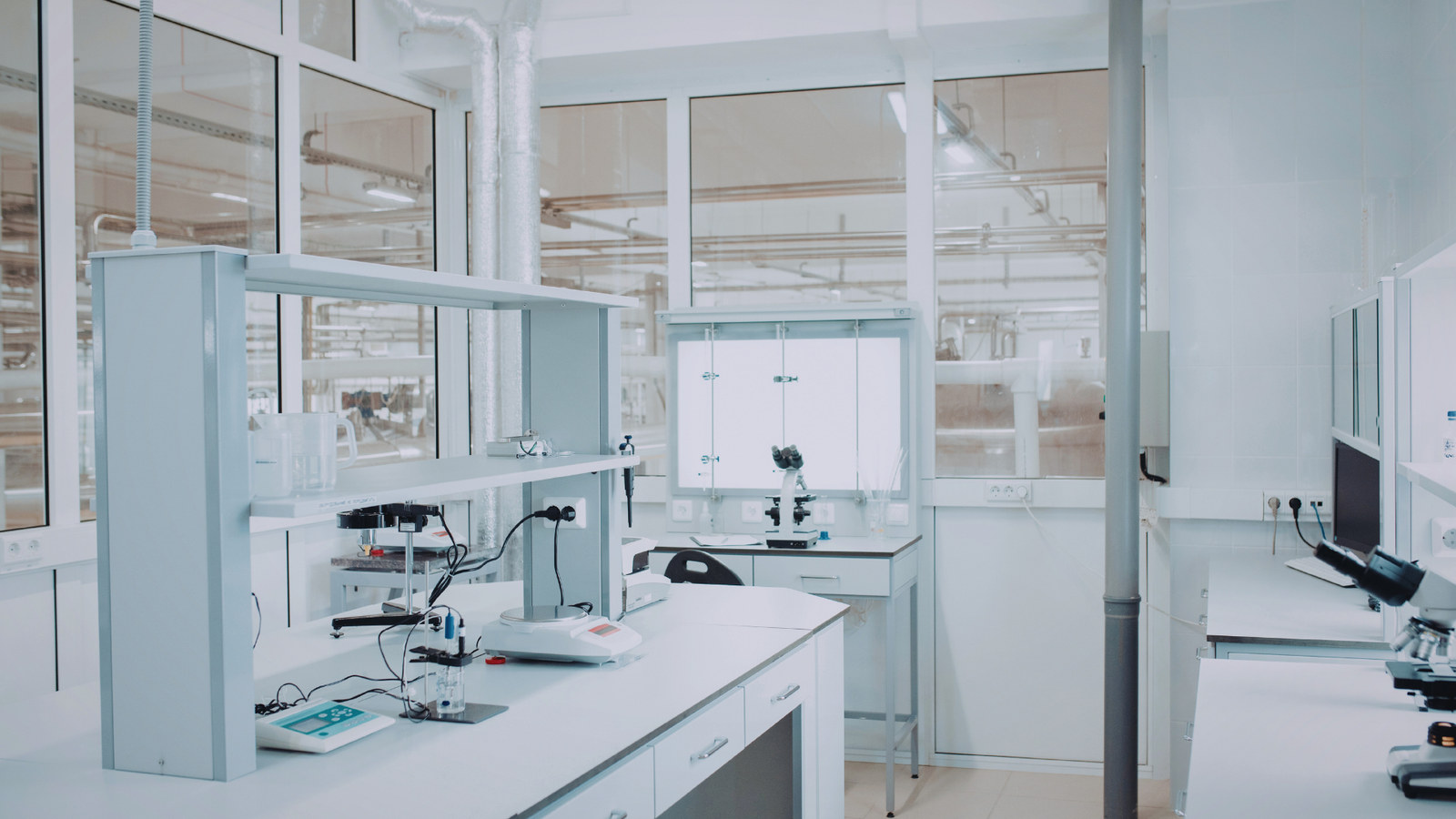
Designing and equipping a modern laboratory is a highly specialized task that demands meticulous planning, foresight, and a deep understanding of scientific workflows. Whether you are a school administrator upgrading educational facilities, a director at a cutting-edge research center, or a hospital procurement manager overseeing clinical labs, the stakes are incredibly high. The environment must foster innovation while strictly adhering to rigorous safety and ergonomic standards. At Sri Furnitures, we recognize that the foundation of any successful scientific workspace is its infrastructure. This comprehensive guide explores the critical components of modern lab furnitures, providing you with the expert knowledge required to make secure, long-lasting investments.
Understanding Chemical Resistance: The Core of Laboratory Worksurfaces
The most crucial decision you will make when selecting lab tables is the material of the worksurface. The daily operations of a laboratory subject these surfaces to harsh chemicals, extreme heat, and heavy physical impact. Two materials dominate the industry for high-performance settings, which are epoxy resin and phenolic resin. Understanding the distinction between the two is vital for the longevity of your investment.
Epoxy resin is the gold standard for environments exposed to highly corrosive chemicals and extreme temperatures. It is manufactured by curing a mixture of epoxy, silica, and other proprietary materials in an oven to create a solid, continuous product. Because it is non-porous and homogeneous throughout its entire thickness, it offers unparalleled resistance to chemical spills, moisture, and bacterial growth. If an epoxy surface is scratched, its chemical resistance remains entirely uncompromised. This makes it the premier choice for advanced chemistry labs, clinical testing facilities, and heavy-duty research environments.
Phenolic resin, on the other hand, is created by layering kraft paper saturated with phenolic resin and fusing it under high heat and pressure to form a solid composite. While it is highly durable and offers excellent chemical resistance, it is generally better suited for environments with moderate chemical use. Phenolic resin is significantly lighter and often more cost-effective than epoxy. It is an outstanding choice for biology labs, general science classrooms, and agricultural testing facilities. When evaluating your options, always assess the specific chemicals and concentrations your facility will handle on a daily basis.
Ergonomics and Dimensions for a Productive Table Laboratory
A well-designed table laboratory setup must prioritize the physical well-being of the scientists, technicians, and students who utilize the space. Poor ergonomics can lead to repetitive strain injuries, fatigue, and ultimately, a decrease in productivity and precision. Industry standards dictate specific dimensional guidelines to ensure comfort and accessibility.
The standard height for a standing laboratory workbench is typically 36 inches. This height is optimized for tasks that require mobility, allowing users to easily transition between standing and sitting on adjustable lab stools. For tasks that require prolonged sitting, such as microscopy or detailed analytical work, a standard desk height of 30 inches is required.
Depth is equally important. A standard lab workbench requires a depth of 30 inches to accommodate large equipment, computer monitors, and adequate workspace for the user. Furthermore, modern lab design must incorporate ADA (Americans with Disabilities Act) compliant workstations. These specialized tables must feature adjustable height capabilities, typically ranging from 28 to 34 inches, and provide adequate knee clearance to comfortably accommodate wheelchair users. By prioritizing these ergonomic dimensions, facility managers can create an inclusive, comfortable, and highly efficient working environment.
Safety Standards for Science Tables
Safety is the paramount concern in any scientific setting, and the furniture you select plays a frontline role in accident prevention. High-quality science tables must be engineered to withstand rigorous use while mitigating potential hazards.
First, consider the structural integrity and weight capacity of the tables. Heavy analytical equipment, such as mass spectrometers or large centrifuges, requires tables with robust steel frames and a weight capacity that comfortably exceeds the anticipated load. Tables should feature heavy-duty, powder-coated steel legs with leveling glides to ensure a perfectly stable surface, even on uneven floors.
Edge treatments are another critical safety feature. For environments handling liquid chemicals, worksurfaces should be equipped with a marine edge. A marine edge is a slightly raised lip around the perimeter of the table, designed to contain spills and prevent hazardous liquids from dripping onto the floor or the user.
Additionally, all laboratory furniture must meet strict fire resistance and low VOC (Volatile Organic Compound) emission standards to ensure a safe breathing environment. When reviewing specifications, look for products tested against SEFA (Scientific Equipment and Furniture Association) standards, which guarantee the furniture has been rigorously evaluated for chemical resistance, structural integrity, and overall safety.
Modular Design: The Future of Laboratory Environments
As scientific disciplines evolve, so too must the spaces that house them. The concept of a static, unchangeable laboratory is rapidly becoming obsolete. Today, the most effective lab spaces utilize modular furniture systems. This flexibility is a hallmark of modern laboratory planning.
Modular systems allow facility managers to reconfigure their spaces quickly and cost-effectively as project requirements change or new equipment is acquired. Instead of fixed casework, modern designs feature mobile storage units, height-adjustable tables, and overhead carrier systems that deliver utilities like gas, water, and data directly to the workstation. This adaptability ensures that the laboratory can continuously support cutting-edge research without requiring disruptive and expensive renovations. When investing in new infrastructure, prioritizing modularity ensures your facility remains functional and relevant well into the future.
Selecting a Reliable Lab Furniture Supply Partner in India
India has a rapidly growing scientific sector, and the market is flooded with various manufacturers and suppliers. Choosing the right lab furniture supply partner is just as critical as selecting the furniture itself. A reliable partner, like Sri Furnitures, will offer more than just catalog products, as they will provide comprehensive solutions tailored to your specific spatial and operational requirements.
When vetting potential suppliers, prioritize companies that offer end-to-end services. This includes initial spatial planning, 3D rendering of the proposed layout, manufacturing, and professional installation. The installation process for laboratory furniture is highly specialized, often requiring the integration of electrical, plumbing, and gas lines. Therefore, utilizing a supplier with an experienced, in-house installation team is crucial to avoid costly errors and ensure regulatory compliance.
Furthermore, verify the manufacturer’s credentials. Ensure their manufacturing processes are ISO certified, which guarantees consistent quality control. Ask for case studies or references from previous clients in your specific sector, whether that is educational, clinical, or industrial. A trustworthy supplier will be transparent about their materials, warranties, and post-installation support services.
Conclusion
Equipping a modern laboratory is a significant undertaking that requires a strategic approach and an uncompromising commitment to quality. By understanding the distinct advantages of epoxy and phenolic resins, adhering strictly to ergonomic and ADA-compliant dimensions, and prioritizing SEFA-tested safety features, you can build a facility that stands the test of time. Choosing an experienced and reputable manufacturing partner in India, such as Sri Furnitures, ensures that your vision is executed flawlessly. Investing in the right infrastructure today will foster a safer, more productive, and highly innovative scientific environment for years to come.