In the highly competitive world of grocery retail, profit margins are notoriously thin. Every square foot of your store must be optimized to generate maximum revenue. While many store owners focus heavily on inventory management and digital marketing, the physical foundation of your sales strategy often goes unnoticed. At Sri Furnitures, we understand that selecting the right retail fixtures is not just an operational necessity, it is a strategic investment. The science behind visual merchandising goes far beyond simple storage. It involves customer psychology, spatial design, and structural engineering to maximize your Return on Investment (ROI).
The Psychology of Aisle Layouts and the Flow of Commerce
The journey a customer takes through your store is rarely an accident. Successful supermarkets design their floor plans to guide shoppers through a predictable path, increasing their dwell time and exposing them to more products.
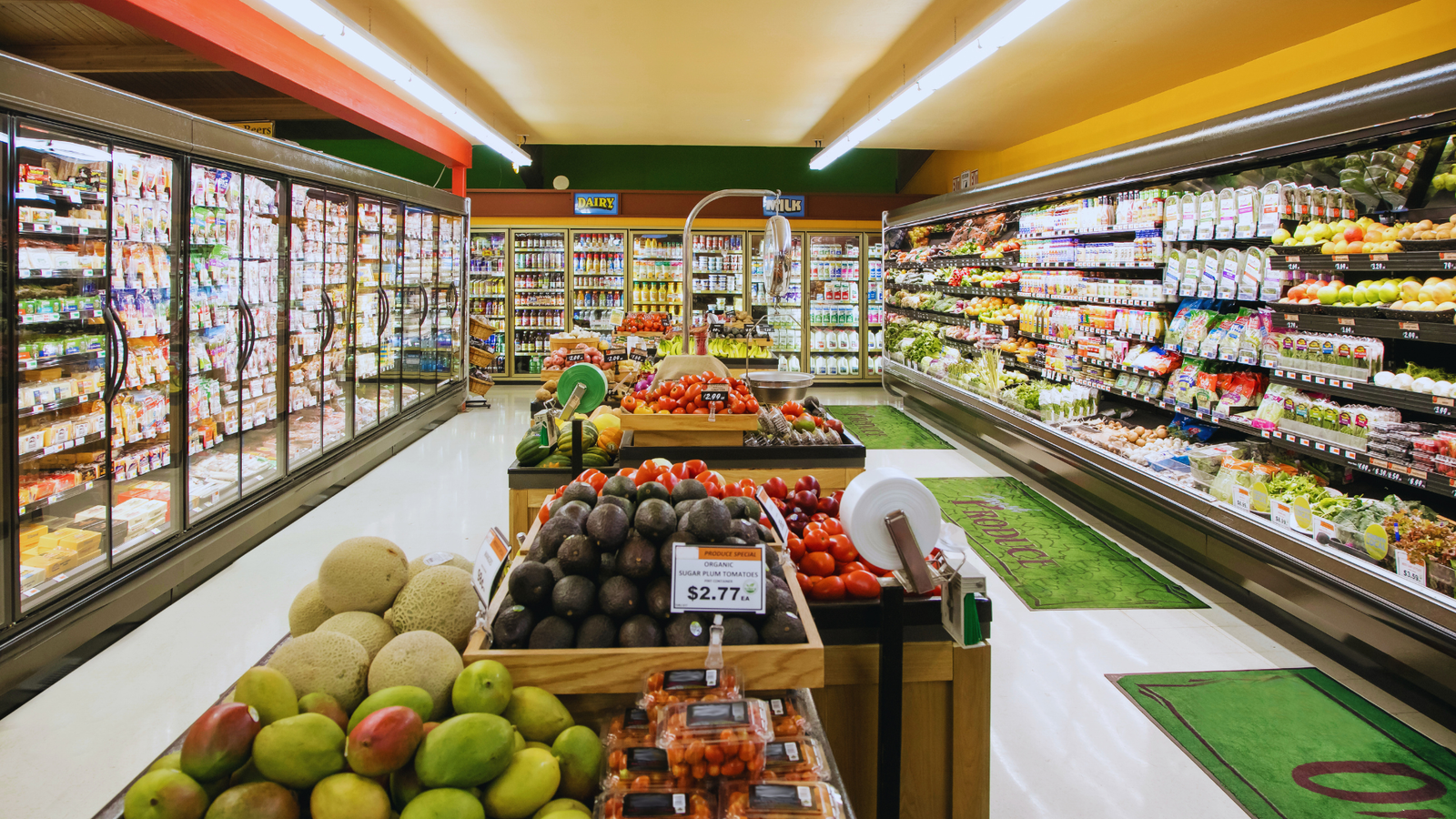
Using a well-planned grid layout with high-quality retail fixtures ensures that essential staple items are placed at the perimeter and back of the store. This design intentionally forces customers to navigate past promotional items and impulse buys to reach their daily necessities.
The width of your aisles is equally critical. If aisles are too narrow, customers experience the “butt-brush effect”, a psychological trigger that causes shoppers to abandon the aisle out of physical discomfort. Conversely, aisles that are too wide can make a grocery rack feel sparse, uninviting, and disconnected from the shopping experience. The strategic placement and spacing of your display rack for shop environments directly influence the comfort level and basket size of every customer walking through your doors. Proper lighting integrated with your aisles further highlights products, drawing the eye exactly where you want it.
The Anatomy of Grocery Store Racks and Shelf Allocation
The physical dimensions and configurations of your grocery store racks play a critical role in consumer behavior. Visual merchandising relies heavily on the concept of the “bullseye zone”, which is the shelving area located between four feet and five and a half feet from the floor.
Products placed at eye level receive the most attention and, consequently, generate the highest sales volume. Supermarkets leverage this by placing their highest-margin items or private-label brands directly in this line of sight. Lower shelves are typically reserved for bulk items or products marketed to children, who have a lower eye level, while top shelves often house lighter, niche items.
At Sri Furnitures, we design our retail fixtures to help you maximize this high-value real estate. The height and depth of your shelves must be tailored to the specific products they hold. Shallow shelves are excellent for premium, high-margin cosmetics or specialty spices because they prevent the products from getting lost in the back, ensuring a fully stocked and premium appearance. Deep shelves are absolutely necessary for fast-moving consumer goods (FMCG) to reduce restocking frequency and prevent out-of-stock scenarios during peak shopping hours. A carefully configured grocery rack creates a visually appealing presentation that subtly encourages shoppers to reach for the most profitable products.
Strategic End-Cap Displays: Driving Impulse Purchases
End-caps are the undisputed champions of impulse sales and visual merchandising. These displays are positioned at the end of an aisle, capturing the undivided attention of shoppers as they transition between different sections of the store. Because they break the visual monotony of standard supermarket racks, end-caps are prime locations for new product launches, seasonal promotions, and high-profit cross-merchandising strategies.
To effectively leverage an end-cap display rack for shop floors, creating visual contrast is key. Highlighting products with bold signage, complementary colors, and abundant stock levels creates a sense of urgency and perceived value. For example, pairing pasta, gourmet tomato sauce, and a cheese grater on a single end-cap provides a complete meal solution, prompting customers to buy three items instead of just one.
Industry data consistently shows that products featured on end-caps sell at a significantly higher volume than those placed in their regular home aisles. By rotating these displays frequently, usually every two weeks, you train your loyal customers to actively look for new deals, driving incremental revenue with every single visit.
The Crucial Role of Material Durability and Weight Capacity
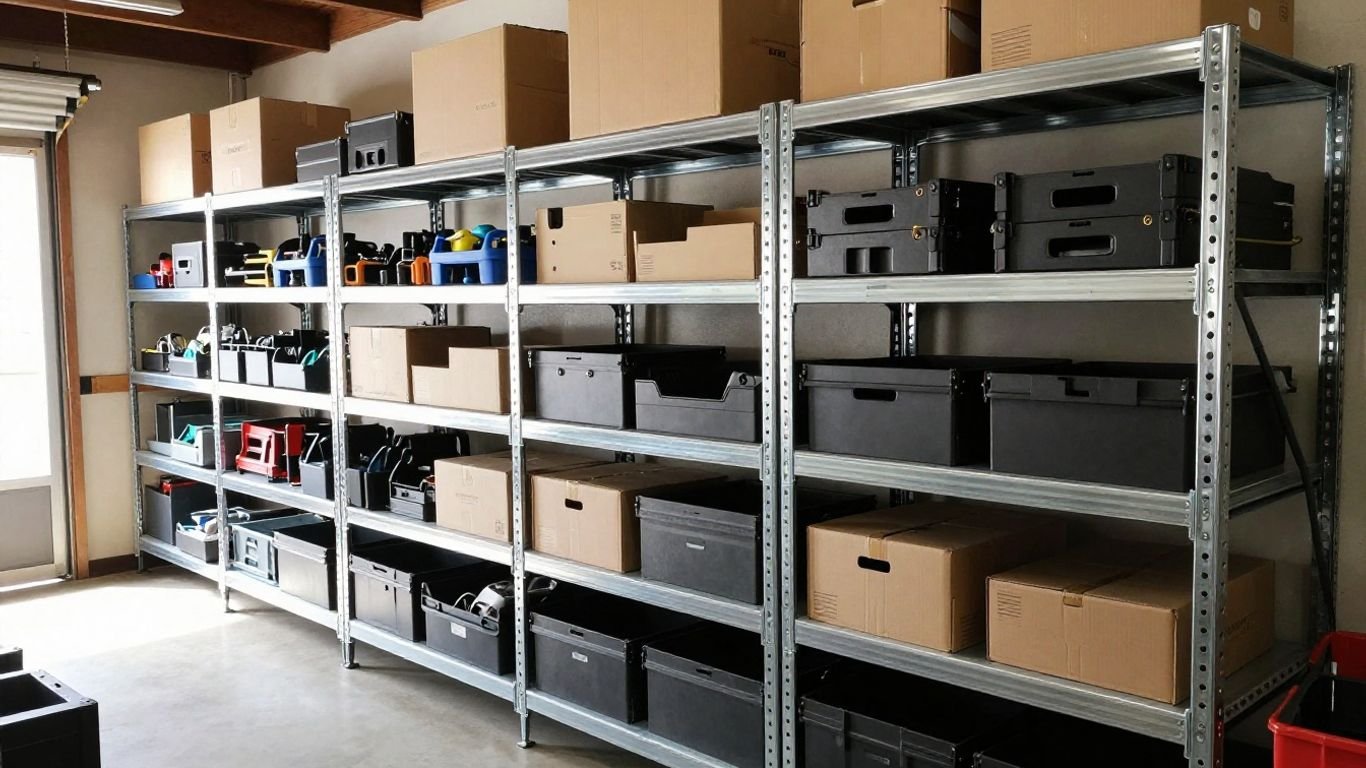
While aesthetics and psychological layouts are vital to driving sales, the structural integrity of your retail fixtures cannot be ignored. Grocery stores carry incredibly heavy loads on a daily basis. Beverages, canned goods, bulk rice, and large bags of pet food exert tremendous downward pressure on shelving units. Investing in cheap, flimsy fixtures is a false economy that will quickly eat into your ROI through frequent maintenance, mandatory replacements, severe safety hazards, and damaged merchandise.
Heavy FMCG products require industrial-grade supermarket racks. At Sri Furnitures, we specialize in manufacturing high-tensile steel fixtures engineered specifically for superior load-bearing capacity. The uprights and base brackets must be mathematically designed to distribute weight evenly across the entire structure.
Furthermore, the finish of the metal is just as important as its thickness. Our racks are treated with advanced, eco-friendly powder-coating techniques to resist deep scratches, rust, and the daily wear and tear of a bustling retail environment where shopping carts constantly bump into corners. A durable grocery rack not only protects your expensive inventory but also maintains a clean, professional appearance that instills trust in your brand. When a display rack for shop owners begins to sag, bend, or chip, it subconsciously communicates poor quality to the shopper, which negatively impacts their overall perception of your store’s hygiene and product freshness.
Conclusion: Elevating Your Retail Environment
Maximizing your supermarket ROI is a delicate, continuous balance of art and science. From the psychological impact of eye-level product placement to the strategic layout of your aisles and the sheer physical strength required to hold heavy inventory safely, every detail of your visual merchandising strategy matters. By understanding how consumers shop and implementing data-driven layouts, you can transform your store into a highly efficient sales engine.
By partnering with Sri Furnitures, you gain access to authoritative expertise in designing and manufacturing top-tier retail fixtures. We provide the robust tools you need to optimize your floor space, influence positive buying behavior, and build a resilient store infrastructure that will last for years to come.