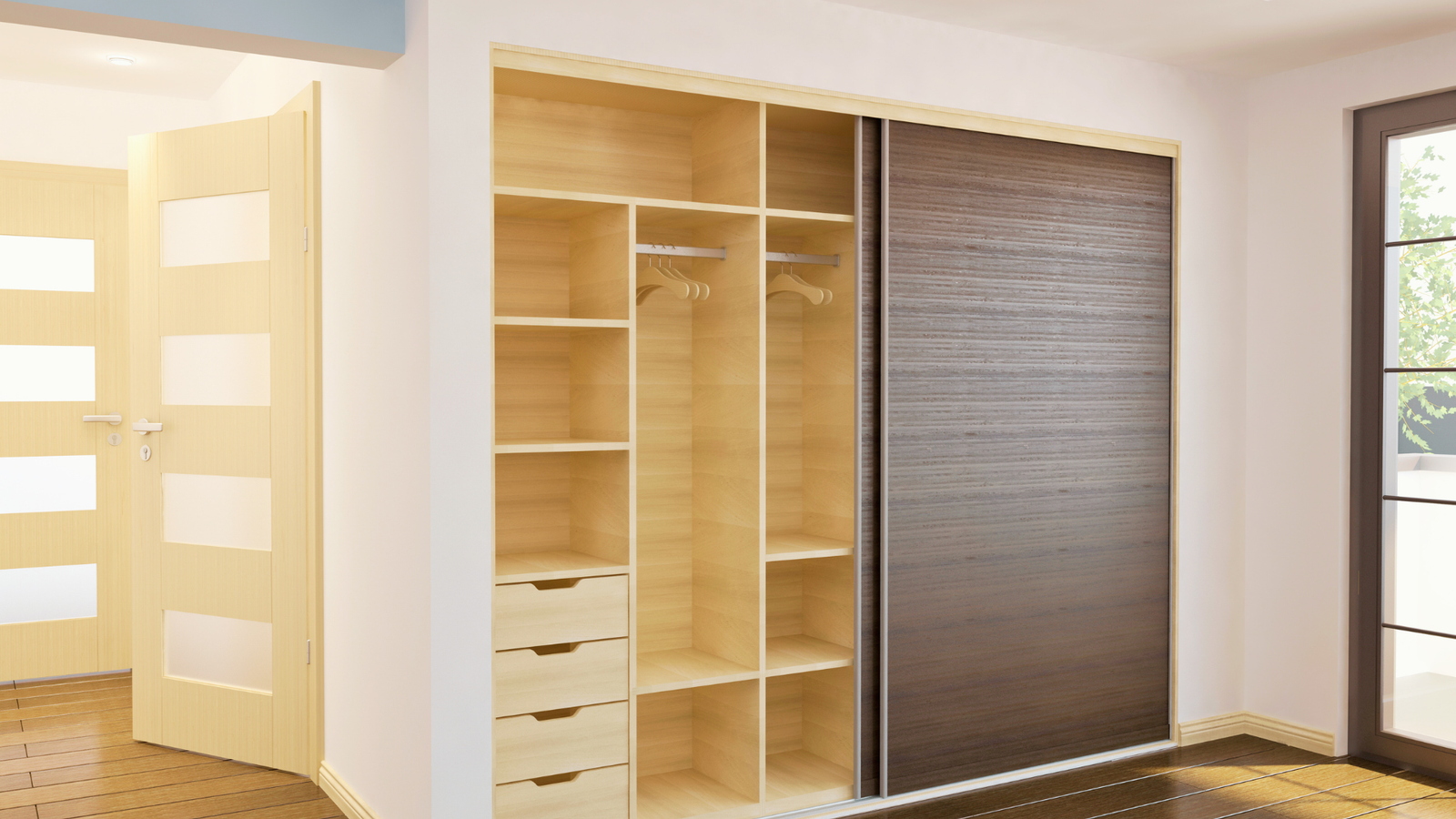
You invested in a premium solid wood wardrobe, expecting it to last a lifetime. But within two monsoon seasons in a coastal city, the doors are jamming, the “woodsy” scent has turned into a musty mildew odor, and white mold spots are appearing on your clothes.
It’s a frustrating reality for homeowners in tropical regions. High ambient moisture isn’t just a surface issue; it’s a structural threat. Standard carpentry often ignores the “micro-climate war” happening inside your bedroom—the constant battle between 90% outdoor humidity and the bone-dry, cold air of your air conditioner. This cycle of expansion and contraction is a death sentence for poorly treated furniture.
At Sri Furniture, we don’t just build furniture; we engineer it to survive the elements. Here is the truth about what actually works to keep your wooden almirah for bedroom storage pristine in high-moisture zones.
The Hard Truth: Why Standard Teak Fails in AC-Heavy Rooms
There is a common myth that “teak is waterproof.” While teak has high natural oil content, standard “A-grade” teak often fails in modern coastal apartments. Why? Internal Moisture Equilibrium (IME).
Most local manufacturers use wood that hasn’t been properly kiln-dried to the specific requirements of a coastal environment. When you place a standard teak wardrobe in a room and blast the AC, the wood loses moisture too rapidly from its surface while the core remains damp. This creates internal tension.
- The Result: The wood doesn’t just expand; it “cups” and “bows.”
- The Mold Paradox: AC units pull moisture out of the air, but they also create cold surfaces. If your wardrobe is pushed against a damp external wall, condensation forms inside the back panel—a dark, stagnant breeding ground for fungi that standard oil finishes cannot stop.
Chemical Treatments That Actually Work
To ensure your solid wood wardrobe remains functional, you need to look beyond the surface stain. We utilize a multi-stage protection protocol that addresses the cellular structure of the timber.
1. Vacuum-Pressure Impregnation (VPI)
This isn’t a brush-on coat. The timber is placed in a vacuum chamber where air is sucked out of the wood cells and replaced with Boric-Borax solutions. This treatment makes the wood fibers unpalatable to termites and resistant to deep-seated fungal spores that thrive in tropical heat.
2. Moisture-Barrier Sealants (The “Six-Side” Rule)
A major mistake in mass-market furniture is leaving the underside, back, and interior edges of the wood raw or lightly stained. For coastal durability, every square inch must be sealed. We use Polyurethane (PU) coatings with high solids content that act as a vapor barrier, preventing the wood from “breathing” in too much salt-laden air.
3. Hydrophobic Nano-Coatings
Unlike traditional wax that melts in tropical heat, modern nano-coatings create a “lotus effect.” Water molecules cannot “wet” the surface; they bead up and roll off. This is essential for the interior of a wooden almirah for bedroom use, where damp clothes might occasionally be hung.
Comparing Durability: Wood Species vs. Coastal Humidity
Not all “solid woods” are created equal. Use this table to understand what you are actually buying for your home.
| Wood Type | Humidity Resistance | Risk Factor | Best Use Case |
| Kiln-Dried Teak | High | High cost, prone to “bleeding” oils | Luxury Master Bedrooms |
| Engineered Solid Oak | Medium | Can swell if not sealed on 6 sides | Modular Office Furniture |
| Seasoned Sheesham | Medium-High | Prone to hairline cracks in dry AC air | Traditional/Heavy Almirahs |
| Sri Furniture Treated Hardwood | Extreme | None (Engineered for Tropics) | Coastal/High-Rainfall Zones |
Engineering the Perfect Modular Wardrobe for the Tropics
When we design Custom Design & Tailor-Made Layouts at Sri Furniture, we implement specific structural “cheats” to fight humidity:
- Offset Backing: We never flush the back panel against the wall. A 10mm air gap allows for ventilation, preventing “wall-sweat” from transferring to your clothes.
- Integrated Dehumidifier Rods: For premium installations, we can integrate low-wattage heating loops that keep the internal wardrobe temperature 2°C above ambient, effectively eliminating condensation.
- Active Ventilation: We incorporate CNC-cut aesthetic louvers or breathable “breather holes” hidden in the design to ensure air doesn’t stagnate behind your suits and dresses.
Maintenance Tips for Your Wooden Almirah
- Avoid Damp Cloth Cleaning: Never wipe your solid wood wardrobe with a soaking wet cloth. Use a microfiber cloth with a dedicated wood-preserving spray.
- Silica Gel Packs: Place high-capacity silica canisters in the corners of your almirah to soak up “micro-humidity.”
- The 2-Inch Rule: Always keep your furniture at least two inches away from external-facing walls.
Frequently Asked Questions (FAQ)
How do I stop mold from growing inside my wooden almirah?
Mold is caused by stagnant, damp air. Ensure your wardrobe has adequate ventilation, use moisture-absorbing bags, and ensure the wood was treated with an anti-fungal PU coating during manufacturing.
Is solid wood better than MDF for coastal areas?
Yes, but only if it is properly seasoned and treated. While MDF swells and disintegrates when wet, treated solid wood can be refinished and maintained for decades.
What is the best wood for a wardrobe in a tropical climate?
Teak and Mahogany are traditionally favored for their natural oils, but “treated” hardwoods that have undergone vacuum-pressure impregnation are the most durable against tropical pests and rot.
Ready to upgrade your home with furniture that survives the elements?
Explore our range of Educational & Institutional Furniture, Modular Office Solutions, and Custom Residential Wardrobes. At Sri Furniture, we combine global delivery with local expertise to build pieces that last generations.