Handing over the keys to a bare apartment feels incredible, until the reality of furnishing it hits. You want a magazine-cover aesthetic. Your bank account dictates otherwise. Between skyrocketing plywood costs, disappearing local contractors, and totally opaque pricing, turning an empty shell into a functional home often drains savings fast.
Traditional design agencies quote astronomical figures, burying their massive margins in vague line items. Meanwhile, hiring piecemeal carpenters leaves you managing timelines, chasing delays, and sweeping up sawdust for months. It is an exhausting trap.
But securing affordable home interiors doesn’t require sacrificing durability or settling for flimsy hardware. By leveraging direct manufacturing, strict spatial planning, and transparent turnkey execution, you can bypass the premium markups. This guide exposes the actual economics of budget-friendly interior decorators, revealing the real costs of transforming your space with smart, modular efficiency.
Why Low Cost Interior Design Doesn’t Mean Cheap
The industry secret? High price tags usually fund aggressive marketing campaigns and middleman margins, not better core materials. Modern interior design operates on precision. The best decorators control the entire pipeline, from concept to final installation.
The Manufacturing & Supply Advantage
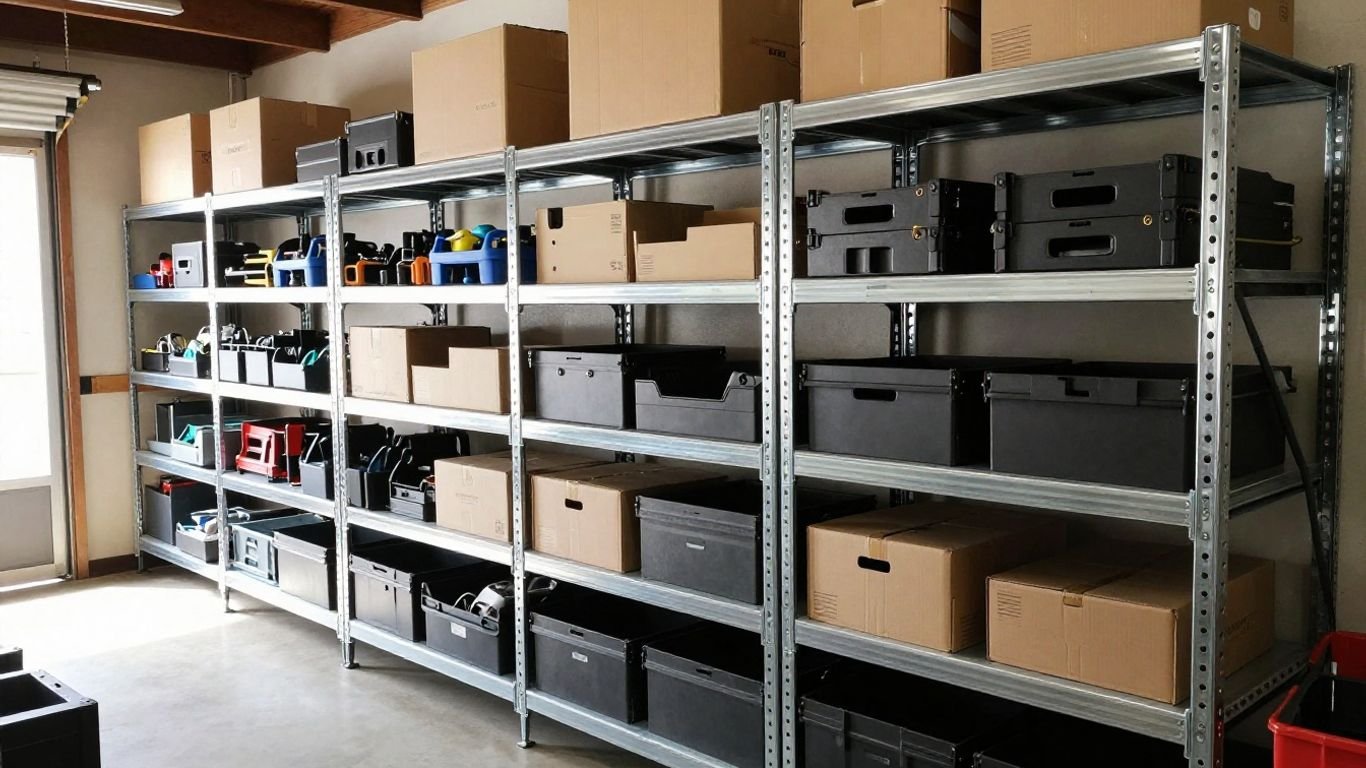
When a design firm owns its manufacturing and supply chain, the cost structure radically shifts. Instead of a carpenter manually cutting wood on your living room floor, heavy machinery precision-cuts BWR (Boiling Water Resistant) plywood in a factory. This factory-direct approach, often used to produce heavy-duty educational and institutional furniture or modular office furniture, translates perfectly to residential spaces. You get factory-pressed laminates, seamless edge-banding, and robust hardware for roughly the same price as a chaotic, unorganized local build.
1BHK Interior Design Packages: The 2026 Cost Breakdown
Budget transparency is non-negotiable. Knowing exactly where your money goes prevents mid-project financial shocks. Below is a realistic pricing breakdown for a standard 400–650 sq. ft. 1BHK apartment in major metro markets.
| Spatial Element | Essential Package (Basic Laminates) | Premium Package (Acrylics & Custom Add-ons) |
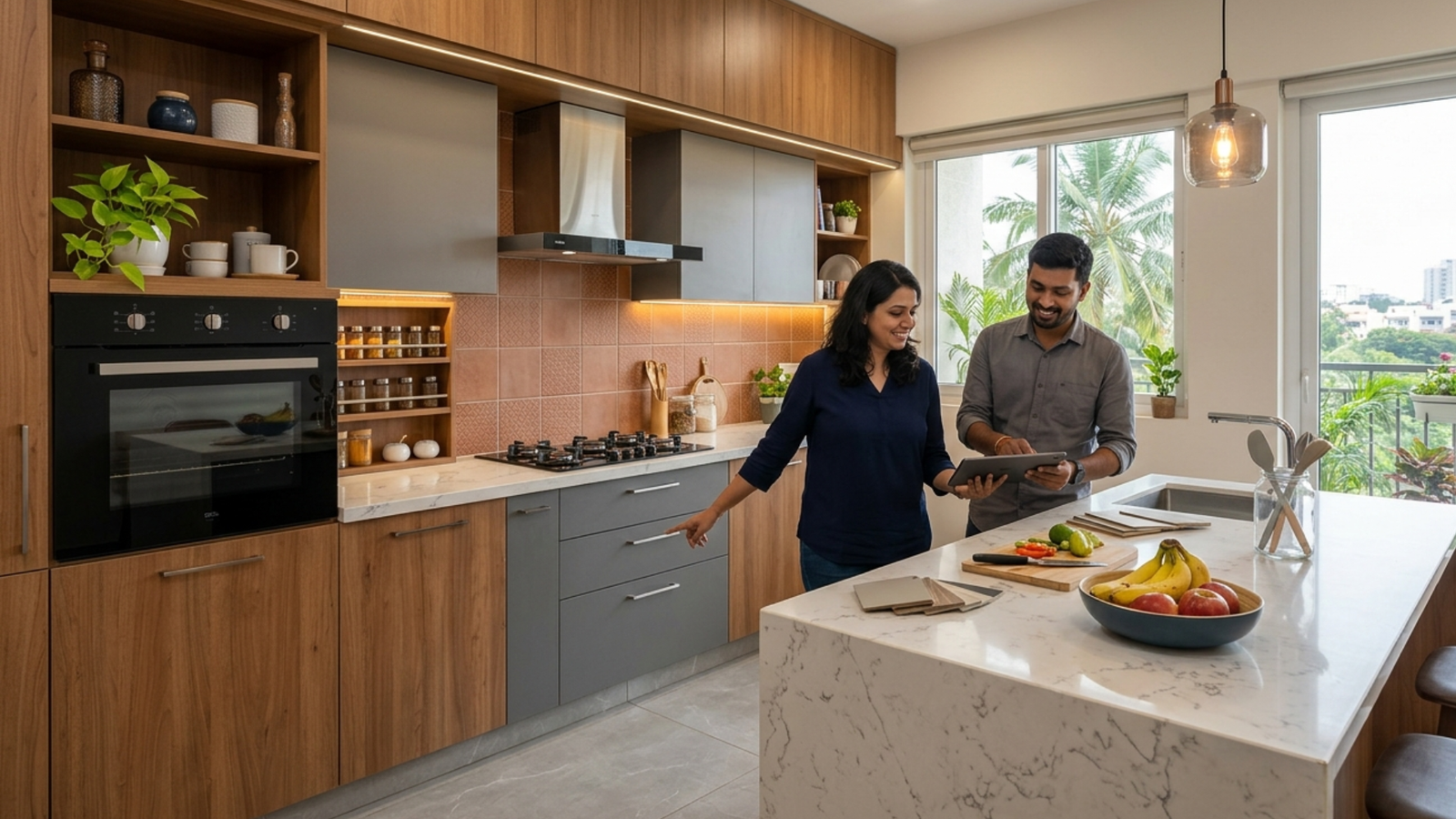
| Modular Kitchen (Cabinets, Countertop, Sink) | ₹1,00,000 – ₹1,50,000 | ₹1,80,000 – ₹2,50,000 |
| Living Room (TV Unit, Basic Sofa, Decor) | ₹80,000 – ₹1,20,000 | ₹1,50,000 – ₹2,20,000 |
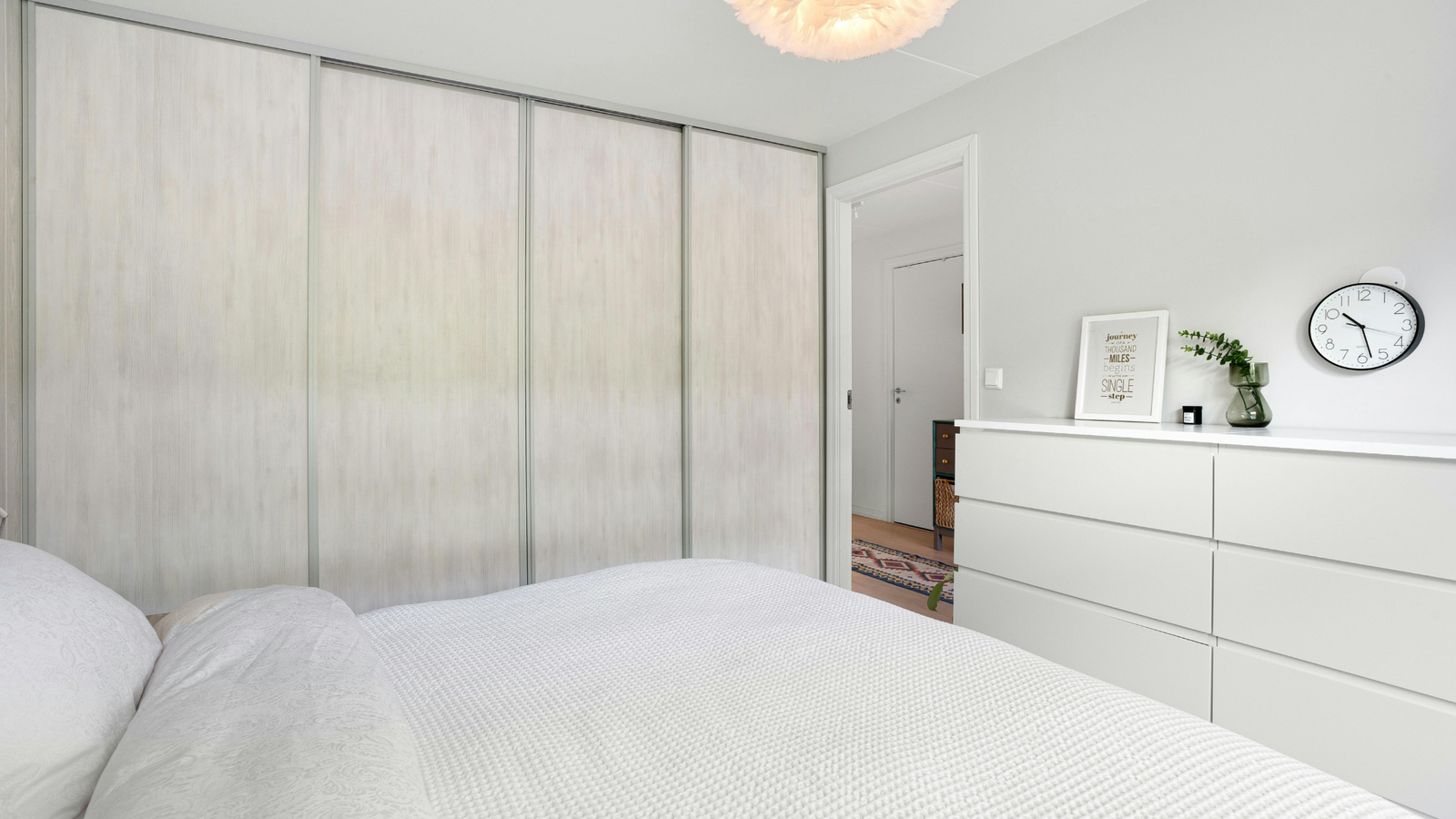
| Bedroom (Sliding Wardrobe, Bed Frame) | ₹90,000 – ₹1,30,000 | ₹1,60,000 – ₹2,50,000 |
| Miscellaneous (Lighting, Paint, False Ceiling) | ₹30,000 – ₹60,000 | ₹80,000 – ₹1,50,000 |
| Total Estimated Investment | ₹3,00,000 – ₹4,60,000 | ₹5,70,000 – ₹8,70,000 |
Note: Custom design & tailor-made layouts, specific hardware choices, and civil work requirements will slightly shift these baseline figures.
Strategic Spending: Where to Splurge and Where to Save
A strict budget demands ruthless prioritization. Focus your capital on high-traffic, heavy-load areas.
- Splurge on Kitchen Hardware: Soft-close hinges, heavy-duty tandem drawers, and BWR plywood are non-negotiable. The kitchen endures heat, moisture, and constant impact. Don’t cut corners here.
- Save on Ceilings and Walls: Skip the elaborate, multi-tier false ceilings. Opt for peripheral gypsum borders to hide wiring and install sleek profile lighting. It keeps the room feeling taller and saves tens of thousands.
- Splurge on the Wardrobe Carcass: You open these doors every day. Ensure the core framework is sturdy blockboard or high-density plywood.
- Save on Finishes: High-gloss acrylics scratch easily and cost a fortune. Matte or suede-finish laminates are significantly cheaper, highly durable, and fingerprint-resistant.
Vetting Budget-Friendly Interior Decorators
Not all interior design packages are created equal. Some agencies lure you in with a low base price, only to hit you with exorbitant add-on fees for basic features like soft-close mechanisms or 3D rendering.
Follow these strict criteria when selecting your execution partner:
- Demand End-to-End Expert Guidance: You need a team that handles spatial planning, 3D visualization, and execution. If they only give you a drawing and tell you to find a carpenter, walk away.
- Verify Core Furniture Services: Ask about their production capabilities. Firms equipped to handle specialized commercial units, school and college furniture, or cafeteria furniture possess heavy-duty manufacturing setups. This guarantees their residential wardrobes and beds are built to last.
- Scrutinize Logistics: Look for global & express delivery capabilities. A firm that can coordinate complex, time-sensitive logistics won’t leave your kitchen cabinets sitting in a warehouse for a month.
- Enforce Timeline Penalties: Ensure the contract includes a strict handover date with financial penalties for unwarranted delays.
Scaling Down Commercial Precision for Your Home
The secret to maximizing a compact apartment lies in adopting commercial design principles. Look at modern lab furniture or institutional setups. They prioritize ergonomics, hidden wire management, and dual-purpose utility. You can apply these exact concepts to your home. A custom TV unit can double as a concealed home office setup. A smartly designed bedroom wardrobe can integrate a fold-out ironing board. This hybrid approach to low cost interior design maximizes every square inch of your floor plan without inflating the bill.
Frequently Asked Questions
How much does a standard 1BHK interior cost in 2026?
For a standard 400–650 sq. ft. unit, basic functional interiors start around ₹3,00,000. Mid-range to premium setups, which include advanced modular kitchens, sliding wardrobes, and custom lighting, typically range from ₹5,00,000 to ₹8,00,000.
Are pre-set interior design packages fully customizable?
Yes. Reputable decorators use packages as a baseline to establish the budget. You retain full control over color palettes, laminate textures, and specific module configurations. Expert guidance ensures your customizations don’t break the initial estimate.
How long does a modular interior execution take?
Because the bulk of the work happens in a factory via machine pressing and cutting, on-site installation is incredibly fast. Most standard 1BHK projects take between 35 to 50 days from design sign-off to final handover.
Can I integrate a home workspace on a tight budget?
Absolutely. Tailor-made layouts can easily transform a living room corner or a bedroom niche into a highly functional workspace. Using standard laminates and wall-mounted modular units keeps this addition highly cost-effective.