
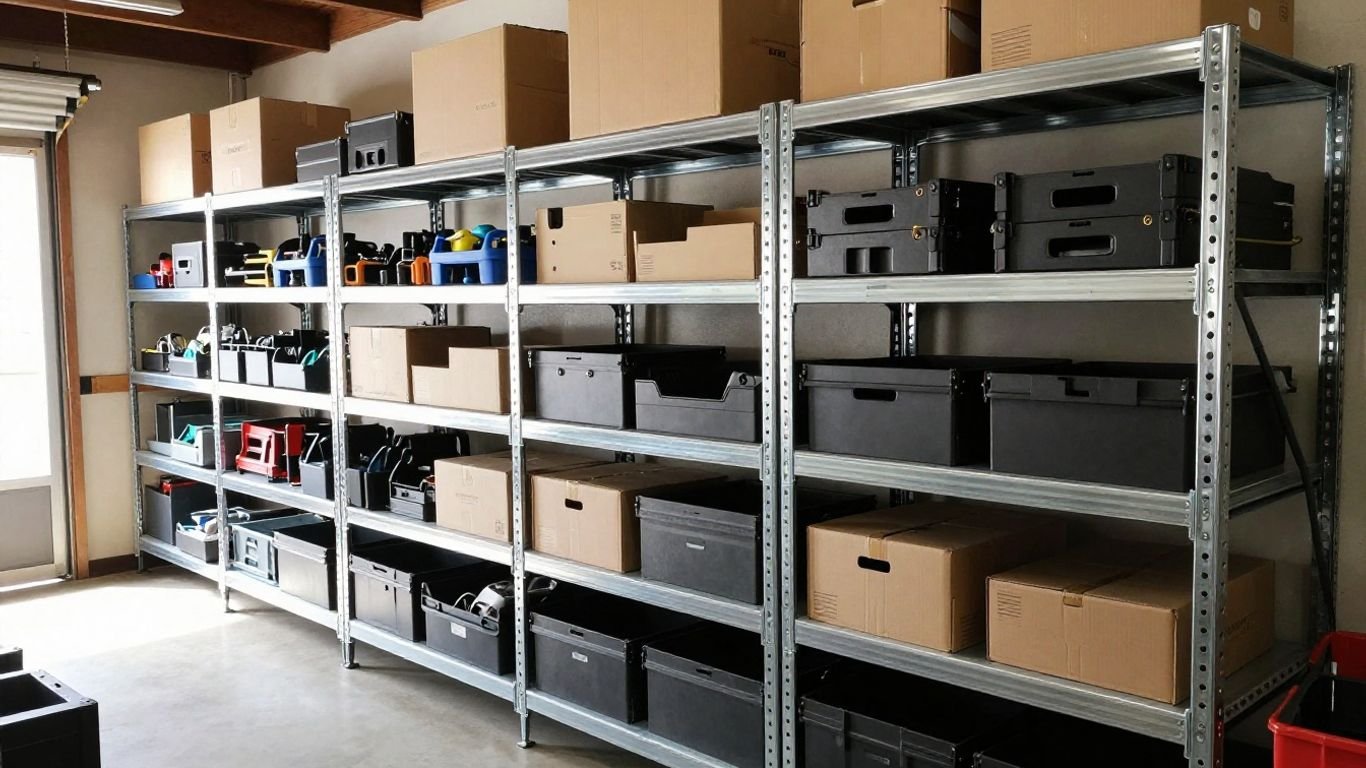
To really get the most out of your storage, keep these main points in mind when you’re looking for heavy duty racks. They’ll help you make smart choices and set up a system that works for you.
Key Takeaways
- Look for racks made from strong steel with a solid design and clear weight limits.
- Steel is usually the best material for strength and lasting power.
- Adjustable shelves are super helpful for fitting different-sized items and using all your space.
- Always check the weight limits for each shelf and the whole unit, and spread the weight out evenly.
- Measure your space carefully and pick rack dimensions (width, depth, height) that fit your area and what you need to store.
Understanding Heavy Duty Storage Shelving
When you’re looking to store a lot of stuff, especially heavy things, you can’t just grab any old shelf. You need something built tough. That’s where "heavy duty" storage shelving comes in. It’s not just a marketing term; it means the shelves are designed and built to handle serious weight and last a long time. These aren’t your average garage sale shelves; they’re engineered for serious work.
What Defines "Heavy Duty"?
So, what makes a shelf "heavy duty"? It boils down to a few key things. First, the materials used. We’re talking about thick, high-grade steel, often with reinforcing ribs or special designs to prevent bending. The way the beams connect to the uprights also matters a lot for overall stability. It’s all about making sure the unit can hold up under pressure without buckling or failing. Think about it like building a bridge – you need strong materials and smart engineering to support a lot of weight safely. For a good overview of industrial shelving options, check out this guide to industrial shelving.
Key Characteristics of Robust Shelving
Truly heavy-duty shelving has several tell-tale signs. You’ll notice the gauge of the steel is thicker than standard shelves. The uprights, the vertical posts, are usually more substantial, and the connections are solid. Many units are designed with adjustable shelves, which is a big plus for fitting different-sized items. The overall construction feels solid and stable, even before you put anything on it. Here are some common features:
- Thicker Steel: The metal used is noticeably more substantial.
- Reinforced Design: Look for extra support beams or channels, especially on wider shelves.
- Stable Connections: How the parts fit together is key to preventing wobble.
- Adjustable Shelves: This offers flexibility for various storage needs.
Materials and Construction for Durability
When it comes to materials, steel is king for heavy-duty applications. It’s strong, durable, and can be formed into shapes that offer maximum support. You might see different types of steel, like cold-rolled or hot-rolled, and the thickness, measured in gauge, is important. The way the shelves are constructed also plays a role. Some have solid metal surfaces, while others use wire decking. Wire decking, for example, is great for visibility and airflow, and it’s still very strong, especially when made from heavy-gauge wire. For industrial settings, you’ll often find units built from steel designed to support substantial weight, typically ranging from 500 to over 1,000 pounds per shelf, making them ideal for storing heavy items like parts or equipment. You can find more details on industrial shelving materials.
The goal of heavy-duty shelving is to provide a safe, stable, and long-lasting storage solution. It’s about more than just holding things; it’s about doing it reliably, day after day, without compromising safety or the integrity of your stored items.
Decoding Load Capacity for Heavy Duty Racks
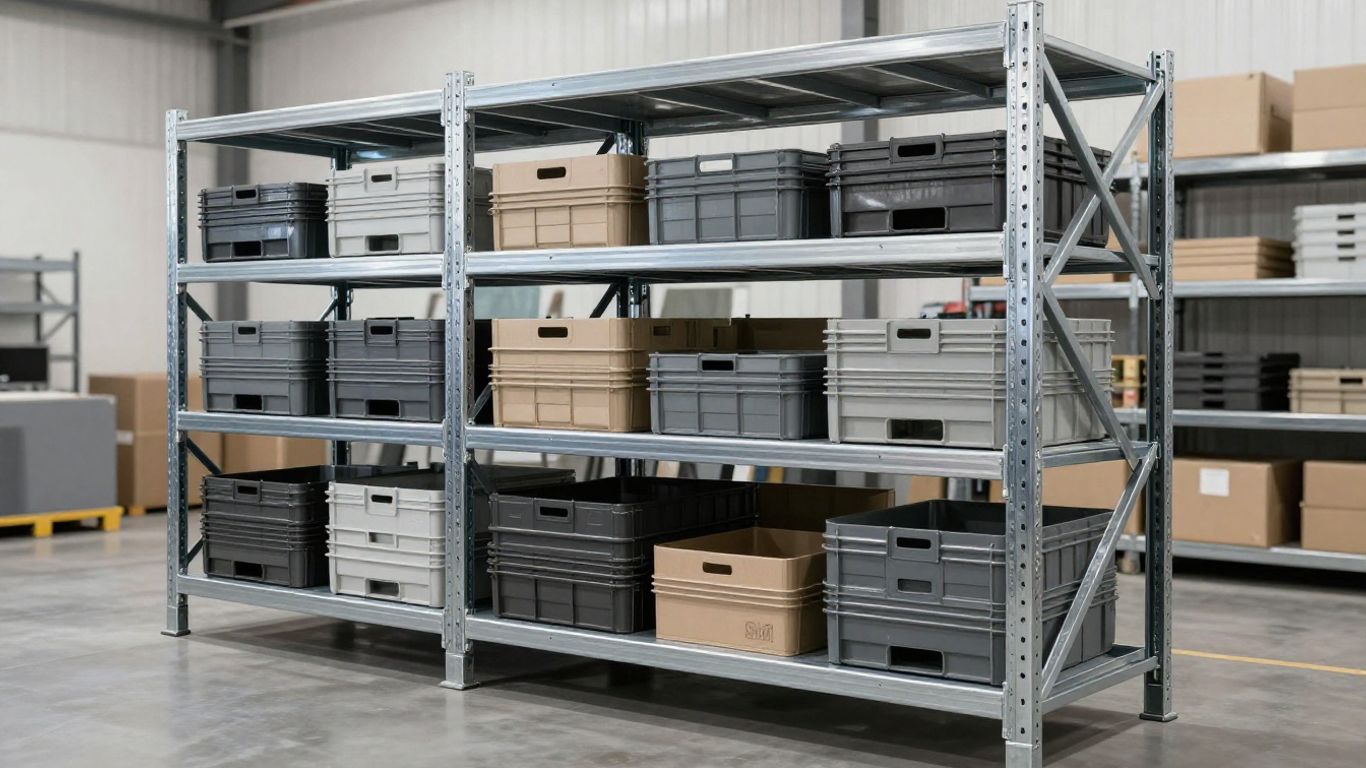
So, you’ve got your eye on some heavy-duty racks, which is smart. But before you start piling things on, we really need to talk about weight limits. It’s not just about how much the rack looks like it can hold; it’s about what it’s actually rated for. Understanding these load capacities is probably the most important step to avoid accidents and keep your stuff safe.
Understanding Weight Ratings
Every rack system comes with specific weight ratings. These aren’t just suggestions; they’re engineering specifications. You’ll usually see two main numbers: the capacity per shelf and the total capacity for the entire unit. For example, a rack might say it holds 1,000 lbs per shelf, but the whole unit might have a total limit of, say, 5,000 lbs. It’s vital to know both. Ignoring these can lead to bent shelves, a collapsed unit, or worse.
Factors Influencing Shelf Capacity
What makes one shelf hold more than another? A few things, really. The thickness and type of steel used are big players. Thicker gauge steel or shelves with extra support beams underneath can handle more weight. The design of the uprights (the vertical posts) and how they connect to the beams also matters a lot for overall stability. Even the type of decking – solid metal versus wire – can affect how weight is distributed and supported. For instance, a sturdy steel shelving unit is built differently than a lighter wire rack.
Here’s a quick look at typical capacities:
| Shelving Type | Average Capacity per Shelf |
|---|---|
| Wire Shelving | 600–800 lbs. |
| Boltless Shelving | 1,000–3,800 lbs. |
| Steel Shelving | 750–2,500 lbs. |
| Pallet Racking | 2,500–6,000 lbs. per level |
| High-Capacity Roll-Out | 2,000+ lbs. per shelf |
Ensuring Safe Weight Distribution
Even if a rack is rated for a high weight, how you load it makes a huge difference. You can’t just dump everything in one corner. The weight needs to be spread out evenly across the shelf surface. Think of it like balancing a seesaw – you don’t want all the weight on one end. Always try to place the heaviest items on the lower shelves. This keeps the center of gravity low, making the whole unit more stable and less likely to tip over. Also, make sure items aren’t hanging off the edges; they should sit fully within the shelf boundaries. It’s a simple concept, but it’s key to preventing shelf failure and keeping your storage area safe.
Proper weight distribution is as critical as the rack’s inherent strength. Concentrating heavy loads in a single spot can create stress points that lead to premature failure, even if the total weight is within the unit’s overall limit. Always aim for an even spread.
Remember, these racks are designed for serious storage, but they still have limits. Always check the manufacturer’s specs before loading them up. It’s better to be safe than sorry when dealing with heavy items.
Choosing the Right Size and Type of Heavy Duty Racks
So, you’ve decided you need some serious storage muscle. That’s great! But before you just grab the first heavy-duty rack you see, let’s talk about making sure it’s actually the right one for your space and what you need to store. It’s not just about strength; it’s about fitting it all in without making your area feel cramped or unsafe.
Measuring Your Space Accurately
This might sound obvious, but you’d be surprised how many people skip this step. You need to know exactly how much room you have to work with. Grab a tape measure and get precise. Think about not just the floor space but also the vertical height. Are there pipes, low ceilings, or light fixtures you need to work around? Also, consider the path you’ll use to get items to and from the shelves. You need enough clearance for forklifts, carts, or even just yourself carrying something bulky. Accurate measurements are the foundation of smart storage.
Selecting Appropriate Unit Dimensions (W x D x H)
Once you know your space, you can pick the right dimensions for your rack. Racks come in standard sizes, but knowing what to look for is key.
- Width (W): How wide does the unit need to be? Consider if you’ll be storing single, long items or multiple smaller items side-by-side. You also need to think about how many units you might want to place next to each other.
- Depth (D): This is how deep the shelves are. Deeper shelves can hold more, but they might also make it harder to reach items stored at the back. For standard palletized goods, you’ll want to ensure the depth works with your pallet size, leaving a little wiggle room. A good rule of thumb is to leave about 5 inches of clearance between the pallet and the rack frame.
- Height (H): This is where vertical space comes into play. Measure from the floor to the lowest obstruction (like a ceiling or light fixture). Remember to account for the height of the rack itself plus any space you might need between the top shelf and the ceiling for airflow or access.
Common Types of Heavy Duty Metal Storage Racks
Heavy-duty racks aren’t all built the same. Different designs suit different needs and assembly preferences. Here are a few common types you’ll run into:
- Boltless Rivet-Lock Shelving: These are super popular because they’re easy to put together without tools, usually just needing a rubber mallet. They’re strong and can be adjusted pretty easily, making them great for workshops, garages, and general storage.
- Wire Shelving Units: Made from heavy-duty steel wire, these are fantastic if you need good airflow and visibility. They’re easy to clean and often come with clips that let you adjust the shelf height. Many are NSF-certified, which is good for food storage. You can even get them with wheels for mobility.
- Welded Steel Shelving: If you need maximum sturdiness and don’t plan on moving or adjusting the shelves much, welded units are incredibly tough. They’re built for really demanding industrial jobs.
- Bolted Steel Shelving: This is a more traditional style that uses nuts and bolts. It’s very strong but takes more time and tools to assemble and adjust compared to boltless options.
For most general-purpose storage needs, especially if you value ease of assembly and adjustability, boltless rivet-lock or wire shelving often hit the sweet spot. They offer a good balance of strength, flexibility, and practicality for a wide range of applications, from home garages to busy retail backrooms.
When picking your rack, think about how easy it needs to be to assemble and if you’ll need to change the shelf heights later on. This will help you narrow down the type that best fits your situation.
Maximizing Space Utilization with Adjustable Racks
When you’re trying to fit more stuff into your space, adjustable racks are a total game-changer. Forget about those fixed shelves that leave awkward gaps above or below your items. With adjustable racks, you can actually change the height between each shelf. This means you can make a tall spot for that big storage bin one day and then lower it down to fit smaller boxes the next. It’s all about making every inch count.
Adapting to Evolving Storage Needs
Life changes, and so do your storage needs. Maybe you start a new hobby that requires bulky equipment, or perhaps you need to store seasonal items that take up a lot of room. Instead of buying a whole new shelving unit, adjustable racks let you reconfigure your setup. You can easily move shelves up or down to make room for whatever you need to store at that moment. This flexibility means you’re not stuck with a system that no longer works for you. It’s a smart way to handle changing requirements without a lot of hassle.
Accommodating Items of Varying Heights
This is where adjustable racks really shine. Think about all the different things you need to store – from tall floor fans and sports equipment to small jars and tools. Standard shelves often force you to waste space either by leaving too much room above short items or not enough room for tall ones. Adjustable racks let you create custom shelf heights for each level. You can make one shelf super tall for that vacuum cleaner and the next one just a few inches high for a row of paint cans. It’s like having shelves that magically resize themselves. This ability to fit items of all shapes and sizes is key to making the most of your available space. You can find great options for garage shelving that offer this kind of adaptability.
Improving Organization and Accessibility
Beyond just fitting things, adjustable racks make your stuff easier to find and grab. When you can set the shelf height just right for what you’re storing, everything looks neater. You can group similar items together more effectively. For example, you could put all your cleaning supplies on one shelf with just enough space for their bottles, and then group your gardening tools on another. This logical arrangement means less rummaging around and more time saved. Plus, having items at a more convenient height makes them easier to reach, which is a big plus, especially if you’re storing heavier items. It makes your whole storage area feel much more functional.
Being able to adjust shelf heights means you’re not just storing things; you’re creating an organized system that works for you. It reduces clutter and makes it simple to keep track of what you have.
Advanced Features and Customization Options
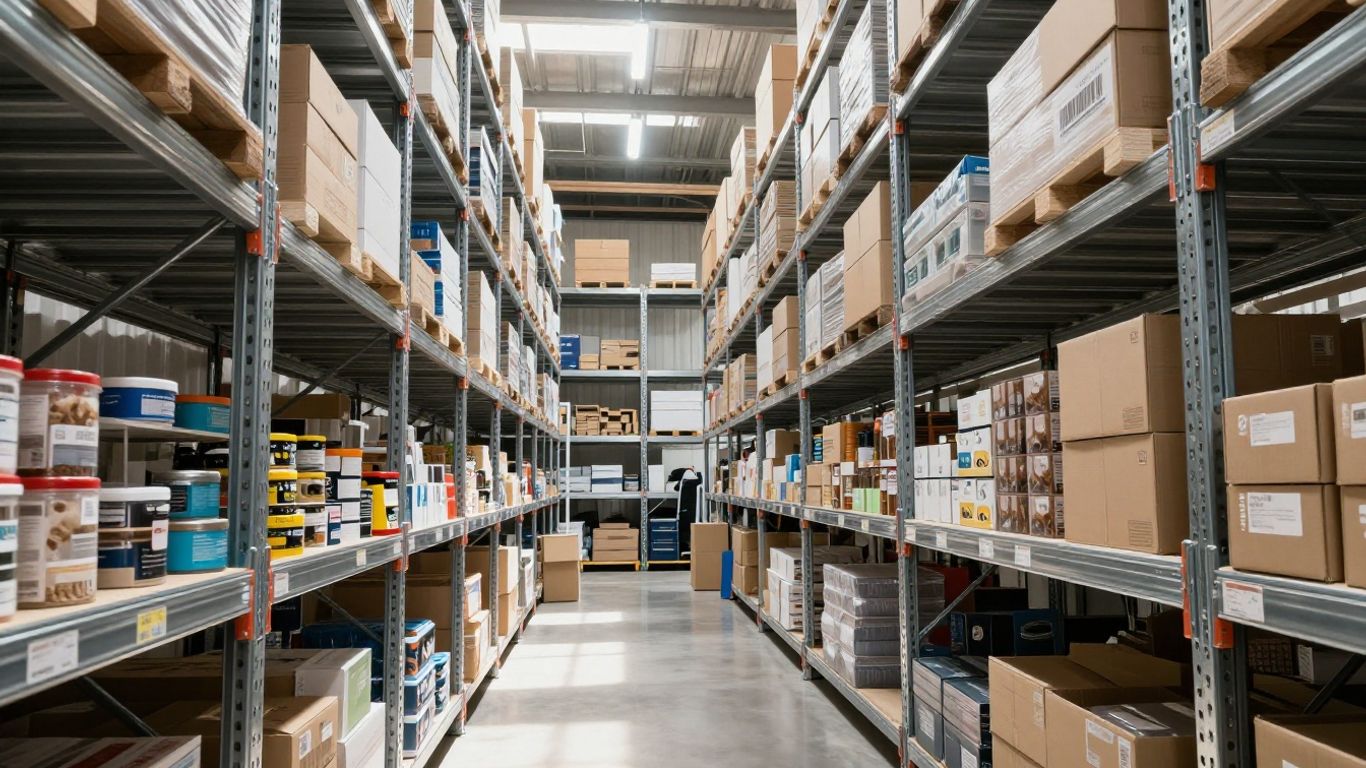
So, you’ve got your heavy-duty racks, and they’re holding up all your stuff. That’s great! But what if your needs change, or you have some really specific items to store? Luckily, many heavy-duty shelving systems aren’t just basic boxes. They come with options to make them even better suited to your life or business.
Mobile Shelving Solutions
Imagine needing to move your entire shelving unit. Maybe you need to clean behind it, or perhaps your workspace layout changes frequently. That’s where mobile shelving comes in. By adding heavy-duty casters, you can turn a stationary rack into a unit on wheels. This is super handy for dynamic environments or places that need regular deep cleaning. Think of workshops, garages, or even busy kitchens where you might need to shift things around.
Specialized Decking and Integrated Accessories
Standard metal or wire decking is fine for most things, but what if you’re storing delicate items, or something that might fall through the gaps? You can often opt for different decking materials. Particle board or MDF can provide a solid surface, and some specialized grating is available too. Beyond the deck itself, think about accessories. You can add dividers to keep things separated, drawers for smaller items, or even pegboard side panels for tools. These little additions can make a big difference in how organized your space stays. For example, some systems can be customized with elegant Onyx and Pearl colors to match your decor.
Custom Dimensions and Finishes
Sometimes, standard sizes just don’t cut it. If you have a very specific space or need to fit around existing equipment, custom dimensions might be an option, especially for larger orders. You can also often get shelving units in finishes other than the standard black or chrome. Powder coating can be done in various colors, which is great for branding or just making your storage look a bit nicer. It’s all about making the racks work perfectly for your situation.
Don’t overlook the power of customization. What seems like a small detail, like a specific shelf height or an added drawer, can significantly improve how you use and access your stored items on a daily basis. It’s about making your storage work for you, not the other way around.
Prioritizing Safety with Heavy Duty Storage
Look, setting up your heavy-duty racks is exciting, right? You’re finally getting that clutter under control. But before you start piling things on, let’s talk about safety. It’s not the most glamorous part, but it’s super important. Ignoring safety can lead to accidents, damaged goods, and even injuries. We want your storage to be strong and reliable, not a hazard.
Proper Assembly and Installation
This is where it all begins. Even the toughest racks won’t perform well if they’re not put together right. It might seem obvious, but really, take your time with this step. Every unit comes with instructions for a reason. Make sure you follow them closely.
- Read the Manual: Seriously, don’t just glance at it. Understand the steps for your specific model. Things can vary a bit between different types of racks.
- Level Ground is Key: Put your racks on a flat, stable surface. If your floor isn’t perfectly level, you might need to use shims to make sure the unit doesn’t wobble. A wobbly rack is a recipe for disaster.
- Use the Right Tools: Most boltless systems just need a rubber mallet. Don’t go using a steel hammer; you’ll just damage the parts. For bolted systems, make sure you have the right wrenches.
- Check Connections: Once it’s assembled, give everything a good shake. Make sure all the connections are tight and secure. You don’t want anything loosening up later.
Wall Anchoring Recommendations
For most situations, especially with taller units or if your space gets a lot of vibration, anchoring the racks to the wall is a really good idea. It adds a significant amount of stability and stops the unit from tipping over. Think of it as an extra layer of security. You can often find anchoring hardware separately, but it’s usually worth the small investment for the peace of mind it provides. It’s a simple step that can prevent major problems down the line, especially if you’re storing heavy items on upper shelves. Check out some general warehouse safety tips for more context.
Adhering to Manufacturer Weight Limits
This is non-negotiable. Every rack and every shelf has a weight limit. It’s not a suggestion; it’s a hard limit based on the engineering and materials. Exceeding these limits is the quickest way to cause damage or a collapse. Always distribute weight evenly across the shelves, and remember that heavier items should always go on the bottom shelves. It’s basic physics, really. Keeping track of what you’re storing and how much it weighs is part of responsible material storage on-site. Don’t guess; know your limits.
Conclusion
So, picking the right heavy duty racks is a big deal for making your space work better. We’ve gone over what makes them tough, how much weight they can hold, and how to pick the perfect size and style. Remember, adjustable shelves are your friend for fitting all sorts of stuff, and don’t forget about safety. By using these tips, you can turn any cluttered area into an organized, efficient spot. It’s all about finding the right storage to make your life easier.
Frequently Asked Questions
What makes a shelf “heavy duty”?
A heavy duty shelf is built tough. It’s usually made of thick steel or strong metal and designed to hold a lot more weight than a regular shelf. Think of it like a super-strong shelf that won’t bend or break easily, even with heavy stuff on it.
How much weight can heavy duty racks actually hold?
That really depends on the specific rack. Manufacturers will tell you the weight limit for each shelf and for the whole unit. It’s super important to check these numbers. Some can hold hundreds of pounds per shelf, while others can handle way more, especially in warehouses.
Do I need special tools to put these racks together?
A lot of heavy duty racks, especially the popular boltless kinds, don’t need any tools or just a rubber mallet. They often use a simple clip or slot system. Some older or more industrial types might need basic tools like a wrench, but many are designed for easy setup.
Can I change the shelf heights later?
Yes, most heavy duty racks have adjustable shelves! This is a big plus. You can move the shelves up or down to fit taller items or shorter items, making sure you don’t waste any space. It’s like having shelves that can change their height whenever you need them to.
What’s the difference between wire and solid metal shelves?
Solid metal shelves are just that – solid pieces of metal. They can hold a lot and don’t let small things fall through. Wire shelves are made of metal wires woven together. They let air and light through, are easy to clean, and good for preventing dust buildup, but small items might fall through.
Should I anchor my heavy duty racks to the wall?
It’s a really good idea, especially if you have tall racks or live in an area where earthquakes happen. Anchoring them to the wall makes them much more stable and stops them from tipping over, which is important for safety, especially if you have kids or pets around.