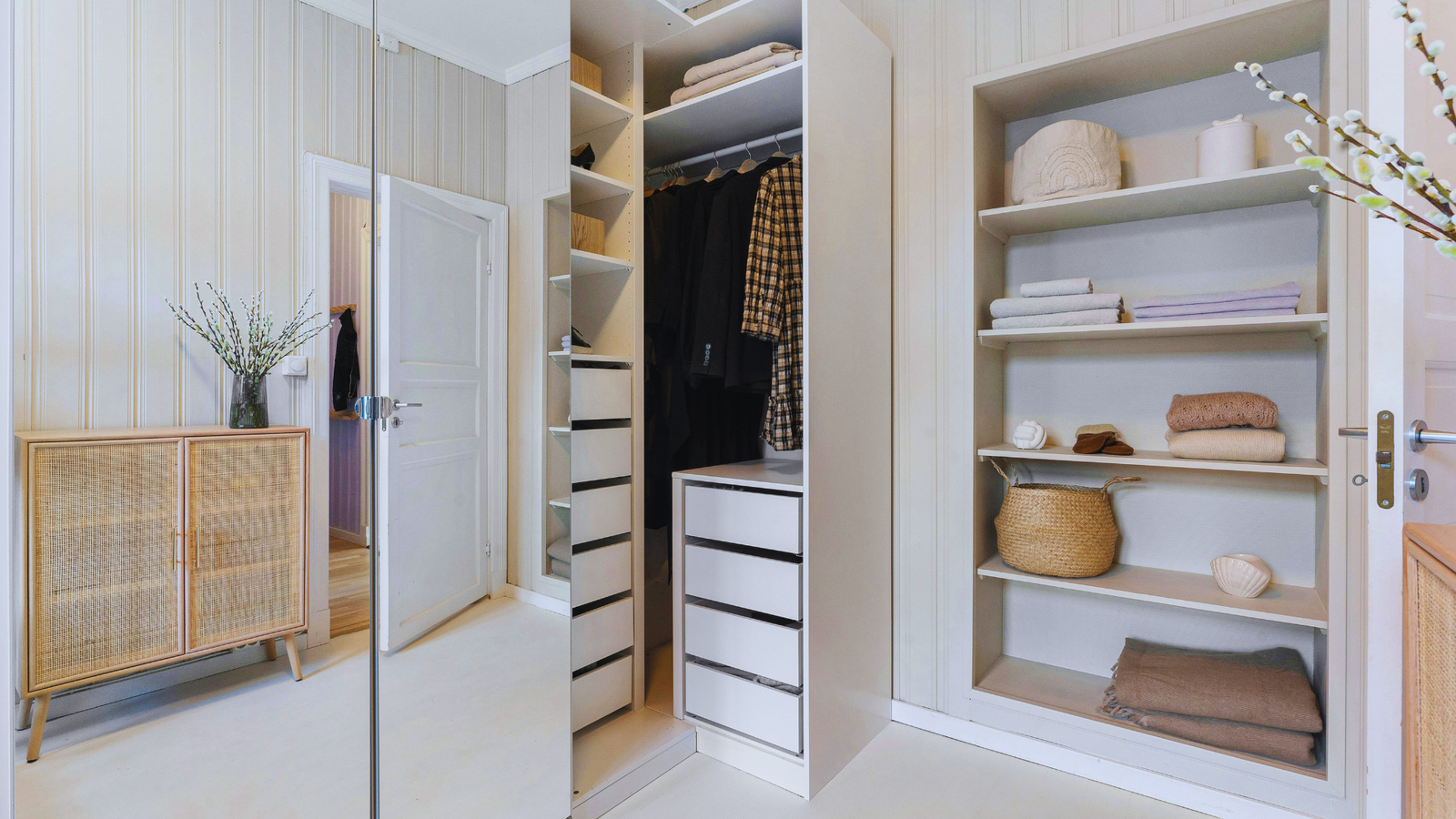
Most parents fall into the “Nursery Trap.” You spend a fortune on a charming, diminutive childrens wardrobe painted in pastels, only to realize by age five that the hanging rail is too low for primary school uniforms and the drawers are overflowing with toys the size of small appliances. Within three years, that “cute” furniture becomes expensive landfill.
The cycle of buying, assembling, and discarding static furniture is a financial drain and a logistical headache. Your child’s needs don’t just change; they evolve with distinct physiological and psychological shifts. A toddler needs low-level access to foster independence; a teenager needs high-capacity hanging space and tech-integrated shelving.
At Sri Furniture, we engineer modular storage solutions that eliminate the need for replacement. By utilizing a high-precision peg-system and adaptable internal architectures, we transform the humble childrens wardrobe into a 15-year asset. Here is how you build for the long haul.
The 15-Year Lifecycle Blueprint for Your Childrens Wardrobe: From Diapers to Decibels
A truly modular system isn’t just about moving a shelf. It’s about anticipating the “Physicality of Growth.” We categorize the evolution of a childrens wardrobe into three critical phases.
Phase 1: The Toddler Years (0-5 Years)
At this stage, the priority is safety and accessibility.
- The Layout: Focus on deep, pull-out bins at the base. Toddlers can’t hang clothes, but they can grab a pair of socks.
- The Safety Factor: Every unit must feature industrial-grade anti-tip hardware. We secure the carcass directly to the wall studs.
- Modularity: Use the mid-section for diaper storage and the top section (out of reach) for seasonal bedding.
Phase 2: The Primary School Shift (6-10 Years)
Uniforms enter the chat. You need more vertical hanging space but still require easy-access drawers for hobby kits and sports gear.
- The Layout: Lower the hanging rail to a height where the child can participate in the “Morning Routine.”
- Shelving: Swap the large bins for adjustable shelving to accommodate a growing library and board games.
Phase 3: The Teenage Transformation (11-15 Years)
Privacy and volume become the dominant requirements. This is where a cheap portable wardrobe usually fails under the weight of heavy denim and sports equipment.
- The Layout: Maximize full-height hanging space.
- The Tech Hub: Integrate grommets for charging stations. The “toy bin” area is repurposed for shoe collections or high-capacity drawers for athletic wear.
Technical Superiority: Why Modular Beats Static
While a solid wood wardrobe offers durability, its fixed internal structure is its greatest weakness. If the hanging rail is bolted 120cm from the floor, it stays there forever. Our modular systems utilize a 32mm hole-spacing system, allowing you to reconfigure the entire interior in under twenty minutes without a drill.
Why Not Just Use a Portable Wardrobe?
A portable wardrobe is a seductive stopgap. It’s cheap and lightweight. However, for a growing child, they are often safety hazards. They lack the structural rigidity to handle the “climbing phase” of a toddler and the fabric shells tear under the weight of a teenager’s winter coat.
Financial Analysis: Modular vs. Static Furniture
Investing in professional modular manufacturing from the start is a strategic financial move.
| Feature | Static “Cute” Furniture | Sri Furniture Modular System |
| Initial Investment | Moderate | High (Quality Materials) |
| Lifespan | 3–4 Years | 15+ Years |
| Replacement Cycle | 3–4 Times (0-15 yrs) | Zero |
| Safety Features | Basic | Advanced Anti-Tip & Soft-Close |
| Material Quality | Often Particle Board | High-Density Modular Boards / Solid Trim |
| 15-Year Total Cost | $3,000 – $4,500 | $1,200 – $1,800 |
Essential Safety & Ergonomic Features
When we manufacture childrens wardrobes at Sri Furniture, we adhere to international institutional safety standards, the same used in our Educational & Institutional Furniture lines.
- Soft-Close Hinges: Essential to prevent trapped fingers. Our hinges are rated for 50,000+ cycles.
- Zero-VOC Finishes: Children spend 10-12 hours a day in their rooms. We use non-toxic, lead-free coatings to ensure indoor air quality.
- Flush Handles: To prevent snagging during active play, we often recommend “J-pull” handles or recessed grips.
- Ventilation: All units include rear ventilation slats to prevent mustiness in stored clothing—a critical feature for India’s humid climates.
Frequently Asked Questions (FAQ)
What is the best material for a long-lasting childrens wardrobe?
For durability and modularity, we recommend high-density engineered wood with a thick laminate or a solid wood wardrobe frame with modular internals. Solid wood is beautiful but can warp; engineered cores provide the stability needed for adjustable peg systems.
Can I add a study desk to the wardrobe later?
Yes. Our modular layouts allow for “bridge units.” You can remove a center section of drawers and install a floating desk surface as your child hits the 10-year-old study milestone.
How do I prevent the wardrobe from tipping over?
Every childrens wardrobe must be anchored. We use L-brackets or heavy-duty straps that fix the top of the unit to the wall. Never rely on the weight of the furniture to keep it upright.
Is it worth buying a portable wardrobe for a nursery?
Only as a very short-term measure. If you plan to live in your home for more than two years, the cost-per-year of a modular unit is significantly lower than replacing a portable wardrobe that sags or breaks.