Laboratories are busy places, right? Whether you’re doing serious research, running tests, or teaching students, the space you work in really matters. And a big part of that space is the furniture. It’s not just about filling up the room; good lab furnitures actually help things run smoother, keep people safe, and make sure you can get your work done without too much hassle. We’re going to look at what makes good lab furnitures, from how comfortable it is to how it helps you organize everything and stay safe.
Key Takeaways
- Think about comfort: Lab furnitures should be set up so people can work without getting tired or hurt, especially if they’re there for long hours.
- Layout is important: How you arrange your lab furnitures can make a big difference in how smoothly people move around and get their work done.
- Safety first: Specific lab furnitures like fume hoods and safety cabinets are there to protect people from hazards.
- Built to last: Lab furnitures need to be tough and able to handle chemicals and heavy use, but also flexible enough for when needs change.
- Storage saves time: Good storage solutions with lab furnitures mean less time searching for things and more time for actual work.
Ergonomic Considerations For Lab Furnitures
When you’re spending hours on end in the lab, the furniture you use really matters. It’s not just about looking good; it’s about making sure you can do your work without feeling like a pretzel by the end of the day. Think about it – a lot of lab work involves repetitive motions or staying in one position for a long time. Getting the ergonomics right can make a huge difference in how comfortable and productive you are.
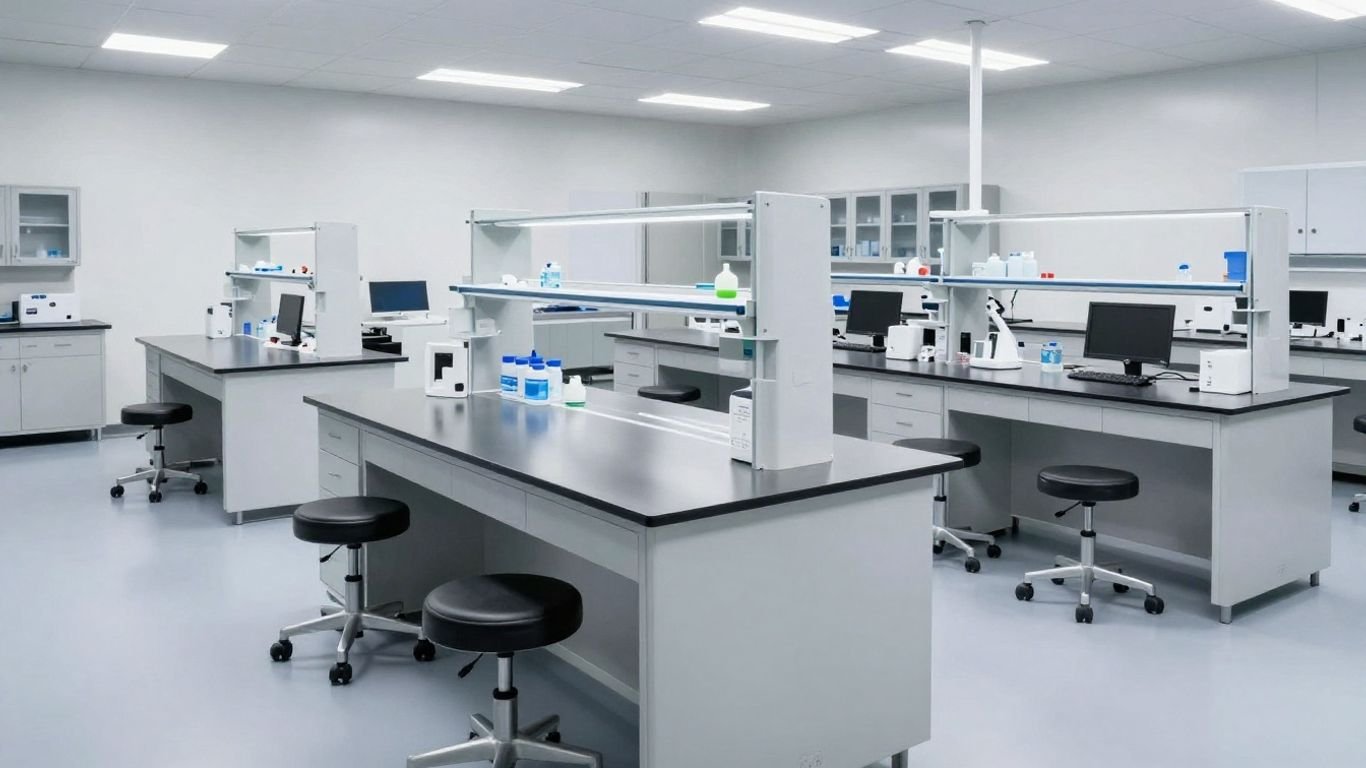
Lab Benches and Workstations
Lab benches are basically your main stage for experiments. The height is a big deal. Ideally, your bench should be at a height that lets you work comfortably whether you’re standing or sitting. Some benches let you adjust the height, which is super handy. This way, you can switch positions throughout the day, which is way better than being stuck in one spot. Also, make sure there’s enough legroom underneath. You don’t want to feel cramped. For workstations that involve computers, positioning the monitor at eye level is key to avoiding neck strain. It’s the little things that add up.
Task-Specific Ergonomic Needs
Different tasks call for different setups. If you’re spending a lot of time at a microscope, for example, you’ll want a chair that offers good support and allows you to adjust the eyepiece height easily. This prevents you from hunching over. For tasks that require fine motor skills, like pipetting, having a stable surface and enough space to maneuver without awkward reaching is important. It’s all about tailoring the workspace to the specific demands of the job.
The goal is to minimize physical stress and fatigue, allowing researchers to focus on their work rather than their discomfort. This isn’t just about comfort; it’s about preventing long-term injuries and maintaining peak performance.
Ergonomic Laboratory Seating
Don’t underestimate the power of a good chair. Lab stools and chairs should offer more than just a place to sit. Look for features like adjustable height, good lumbar support, and a seat that’s comfortable for extended periods. Being able to customize your seating to your body and the task at hand can significantly reduce back strain and fatigue. A chair that fits you properly can make a world of difference during those long experimental runs. Choosing the right laboratory furniture is a long-term investment in your well-being and productivity.
Optimizing Lab Layout and Workflow With Furnitures
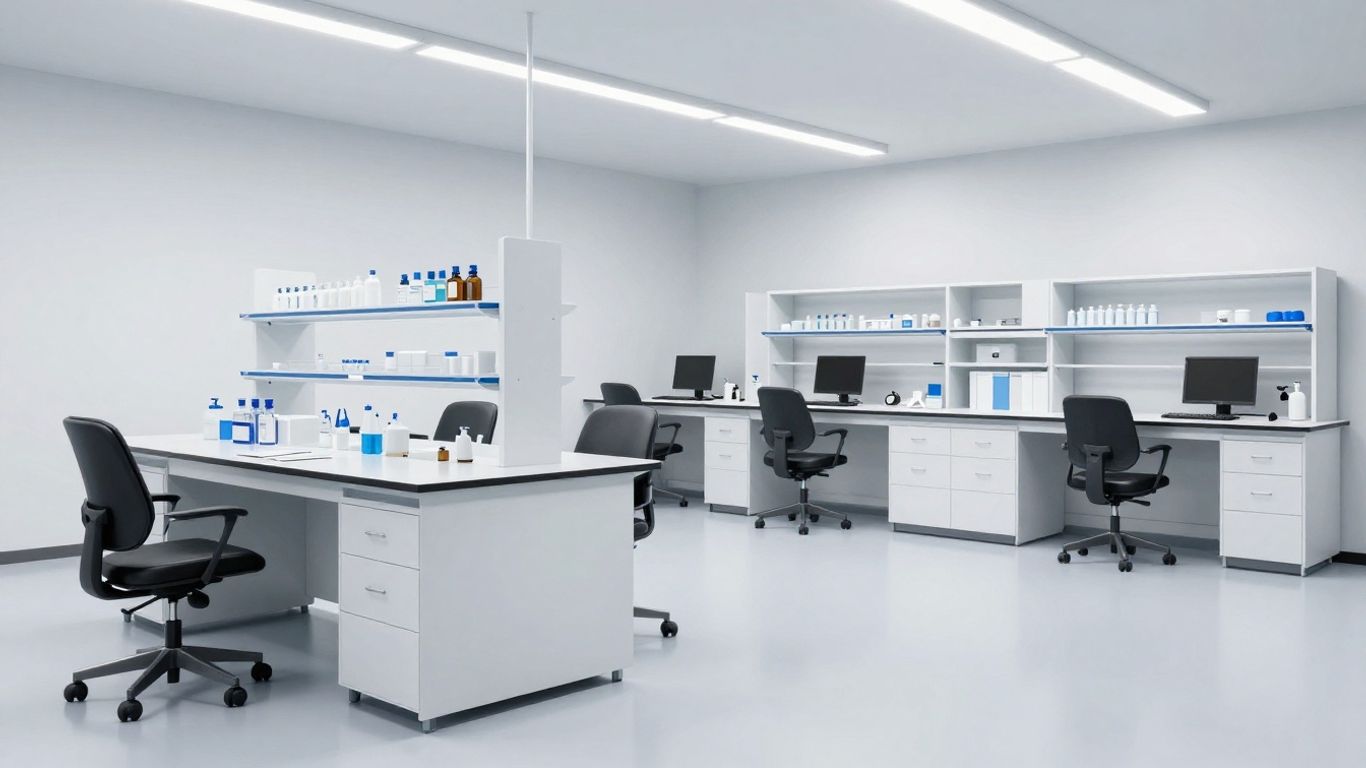
Think about your lab space not just as a collection of equipment, but as a system. How things are arranged, where you walk, and where you reach for things all add up. Getting the layout right means less wasted time and fewer headaches. It’s about making the space work for you, not against you.
Bench Configuration Strategies
How you set up your benches really matters. You’ve got a few main ways to go. The ‘island’ setup, with benches in the middle of the room, is great for teams that need to collaborate and access things from all sides. It feels open and encourages interaction. On the flip side, lining benches up against the walls, the ‘wall layout’, saves floor space but can make it harder for people to get around or work together easily. Choosing the right configuration depends heavily on the type of work and how many people are using the space.
Smart Layout and Flow
Beyond just bench placement, think about the whole flow of work. Where do you keep your most-used items? Are they close to where you need them? For instance, keeping frequently used chemicals or tools in cabinets right next to your main workstation cuts down on steps. And don’t forget about safety – placing emergency equipment like eyewash stations or fire extinguishers in obvious, accessible spots is a must. It’s all about creating a logical path through the lab that minimizes unnecessary movement and potential hazards. A well-planned layout can really make a difference in how smoothly your day goes.
A disorganized lab isn’t just messy; it can actively slow down research. Imagine spending five minutes every time you need a specific reagent because it’s buried in a cabinet across the room. That adds up quickly over a week, a month, a year. Smart furniture placement turns wasted time into productive time.
Relationship Between Layout and Productivity
It might seem obvious, but the way your lab is laid out directly impacts how much you get done. A lab that’s easy to move around in, where everything has its place, and where you don’t have to constantly backtrack or search for things is going to be a more productive lab. Think about it: if you’re constantly bumping into people or equipment, or if you have to walk across the entire lab for a common item, that’s time and energy lost. Good lab design, with furniture placed thoughtfully, helps create a smooth workflow. This means researchers can focus on their experiments instead of fighting their environment. For more on designing an efficient space, check out expert advice for designing an efficient laboratory layout.
Here are some layout considerations:
- Proximity of Storage: Keep frequently used items and storage solutions (like cabinets and shelves) close to workstations.
- Hazardous Material Zones: Designate and separate areas for handling dangerous substances.
- Equipment Placement: Position large or frequently used equipment to allow for easy access and workflow.
- Traffic Flow: Ensure clear pathways between workstations and common areas to avoid congestion.
Essential Lab Furnitures For Safety And Compliance
When setting up any laboratory, safety and following the rules aren’t just good ideas; they’re absolutely necessary. The furniture you choose plays a big part in keeping everyone safe and making sure you’re on the right track with regulations. It’s not just about having a place to work; it’s about creating an environment that actively prevents accidents and protects researchers.
Laboratory Fume Hoods
Fume hoods are like the first line of defense against breathing in harmful stuff. They pull fumes, vapors, and dust away from you and vent them outside or filter them. There are a couple of main types:
- Ducted Fume Hoods: These are the most common and work by sending the air from inside the hood directly outside your building. They’re great for handling really nasty chemicals.
- Ductless Fume Hoods: These use filters to clean the air before releasing it back into the lab. They’re good for less dangerous tasks and don’t require any special ductwork, making them pretty flexible.
Choosing the right fume hood depends on what you’re working with. Properly functioning fume hoods are critical for protecting personnel from toxic substances.
Safety Cabinets
Storing chemicals and other hazardous materials needs special attention. Safety cabinets are designed to contain spills and, in some cases, resist fire. Think about these:
- Chemical Storage Cabinets: These are built to hold flammable liquids or corrosive materials. Many are fire-rated, giving you extra time in case of a fire.
- Biological Safety Cabinets (BSCs): These are more specialized, often used in biological labs to protect both the user and the samples from contamination. Class II BSCs are common for general lab work.
It’s important to store chemicals based on their compatibility. Mixing the wrong things can lead to dangerous reactions. Using clear labels and keeping cabinets organized helps a lot.
The right furniture isn’t just about looks or convenience; it’s a core part of your lab’s safety infrastructure. Ignoring it can lead to accidents, injuries, and regulatory trouble.
Regulatory Standards for Lab Furnitures
Labs have to follow a lot of rules, and furniture is part of that. Organizations like OSHA (Occupational Safety and Health Administration) and others set guidelines for lab safety. For example, there are standards for how fume hoods should perform and how flammable liquids should be stored. Making sure your furniture meets these standards isn’t just about avoiding fines; it’s about creating a genuinely safe place to work. When you’re looking at furniture, ask about its compliance with relevant safety standards. This is especially important for things like chemical storage cabinets that have specific requirements.
Here’s a quick rundown of what to look for:
- Material Durability: Furniture should resist chemicals and be easy to clean.
- Structural Integrity: It needs to be sturdy enough to hold equipment and withstand daily use.
- Ventilation: Especially for storage, proper airflow is often a requirement.
- Fire Resistance: For certain materials, fire-rated cabinets are a must.
Paying attention to these details from the start saves a lot of headaches down the road.
Durable And Adaptable Lab Furnitures
When setting up a lab, you want furniture that can handle the daily grind and also keep up as your research evolves. It’s not just about looking good; it’s about having a workspace that’s tough and can change with you. Investing in quality furniture means fewer headaches down the road.
Modular Laboratory Furniture Systems
Think of modular furniture as building blocks for your lab. These systems let you put together workstations, cabinets, and storage in ways that make sense for your current projects. Need to rearrange things for a new experiment? No problem. You can often reconfigure these pieces without a major overhaul, saving time and money. It’s all about flexibility, letting your lab adapt to new research directions without needing a complete renovation. Many systems are built with durable steel or aluminum frames, designed for long-term use in demanding lab settings. You can find more details on specific casework specifications if you need them.
Laboratory Workbenches and Countertops
Your workbench is where the magic (and the mess) happens. It needs to be tough. We’re talking surfaces that can take spills of chemicals, resist scratches, and handle the weight of equipment. Common materials include epoxy resin, phenolic resin, and stainless steel, each with its own strengths. Epoxy resin is a popular choice because it’s pretty resistant to a lot of common lab chemicals and heat. Phenolic resin is lighter and often more budget-friendly, while stainless steel is super durable and easy to clean, though it can scratch.
Here’s a quick look at some common countertop materials:
| Material | Pros | Cons |
|---|---|---|
| Epoxy Resin | Chemical & heat resistant, seamless | Can chip, sensitive to UV light |
| Phenolic Resin | Lightweight, good chemical resistance | Can stain, not as heat resistant |
| Stainless Steel | Durable, non-porous, easy to sanitize | Scratches easily, can be noisy |
Material Choices for Lab Furnitures
Beyond the countertops, the materials used for the rest of your furniture matter a lot. You’ll see a lot of metal, like steel and aluminum, for frames and cabinets because they’re strong and can be coated to resist corrosion. Polypropylene is another option, especially for areas where you need high chemical resistance. When choosing, think about what kind of chemicals you use most often and how much wear and tear the furniture will get. The right material choice is key to long-term durability.
Selecting furniture that can be easily cleaned and decontaminated is also a big plus. Surfaces that don’t have a lot of nooks and crannies where gunk can hide make maintenance much simpler and help prevent cross-contamination between experiments.
For labs that handle hazardous materials, making sure your furniture meets certain standards is important. This includes things like fire-resistant cabinets for chemicals and surfaces that can withstand rigorous cleaning protocols. It’s all part of creating a safe and functional workspace that can stand up to the demands of scientific work. You can find specialized furniture designed to meet these needs, ensuring quality control and compliance with safety audits.
Efficient Storage Solutions With Lab Furnitures
When you’re working in a lab, having a place for everything and everything in its place isn’t just a nice idea; it’s pretty much a requirement. Messy workspaces can lead to lost time, misplaced samples, and even safety hazards. That’s where smart storage solutions come in. Good storage makes a huge difference in how smoothly your lab runs.
Laboratory Caseworks and Storage
Think of casework as the backbone of your lab’s organization. These are the built-in cabinets and drawers that line your walls or form your workstations. They’re designed to hold a lot and keep things tidy. You can get them in different materials, like metal or phenolic resin, which are tough and can handle spills. Some even come with locks, which is handy if you’re storing sensitive materials or expensive equipment. The goal here is to keep your workspace clear so you can actually focus on your experiments, not on hunting for a pipette.
Proper casework isn’t just about looking neat; it’s about creating a functional environment where every tool and reagent has a designated spot. This reduces the mental load on researchers and minimizes the risk of errors caused by disorganization.
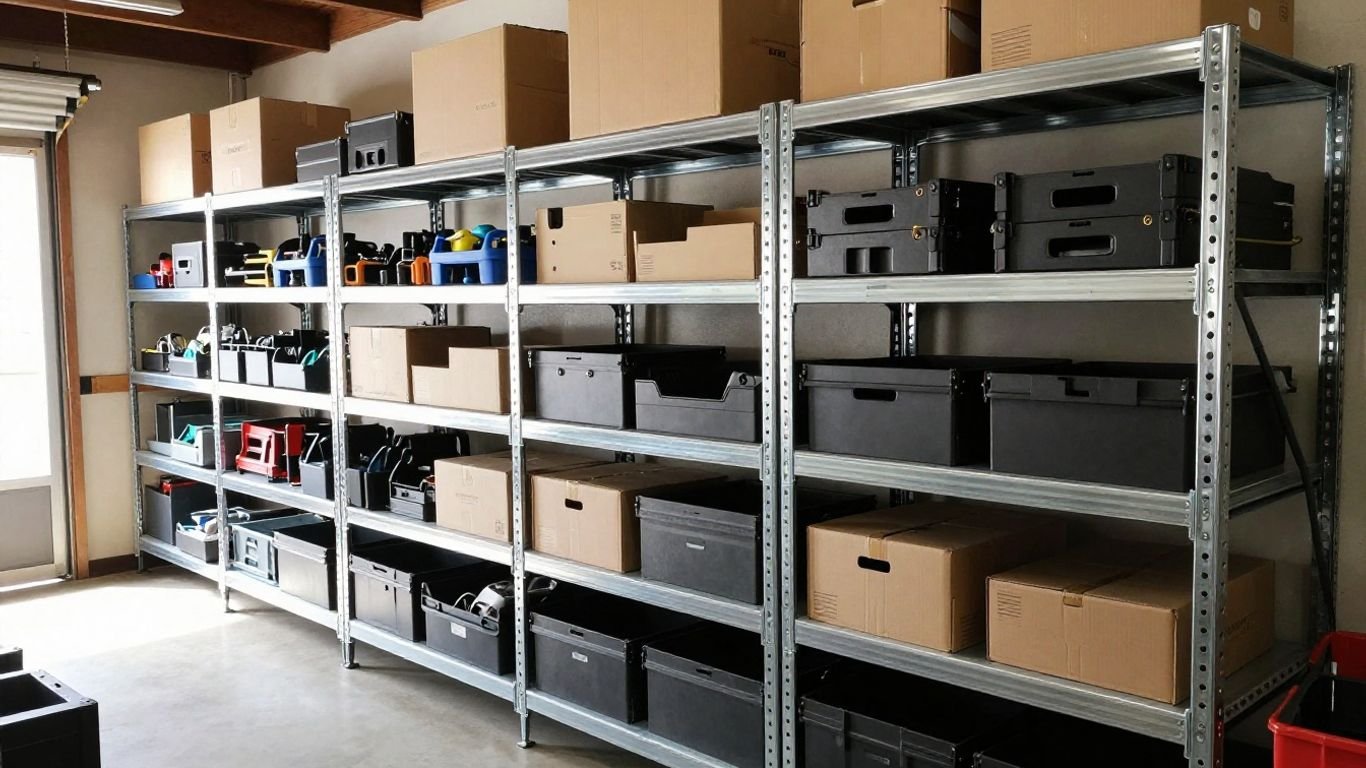
Laboratory Shelving and Racks
Beyond the casework, you’ll need shelving and racks. These are great for storing glassware, chemicals, instruments, and supplies. You can find all sorts of options, from simple wall-mounted shelves to more robust, heavy-duty racks that can hold a lot of weight. Adjustable shelving is a lifesaver because it lets you fit containers of all different sizes. If you’re dealing with a lot of inventory or need to store bulky items, looking into industrial-grade heavy-duty racks might be a good idea. It’s all about making the most of the space you have.
Here are a few common types of shelving and racks:
- Adjustable Shelving Units: Great for flexibility with different container sizes.
- Wall-Mounted Shelves: Good for saving floor space, especially in smaller labs.
- Mobile Shelving Units: These can be moved around, offering flexibility and extra workspace when needed.
- Specialty Racks: Designed for specific items like carousels for small vials or specific holders for instruments.
Organized Efficiency Through Storage
Ultimately, the right storage setup is about more than just tidiness. It’s about creating an environment where work flows without interruption. When everything is easy to find and put away, your team spends less time searching and more time doing actual research. This kind of organization can really speed things up and reduce frustration. Think about how often you might need to grab a specific chemical or piece of equipment; having it close by and easily accessible, thanks to well-planned casework and shelving, makes a big difference. It’s about making your lab a place where productivity isn’t hindered by clutter. You can find a variety of storage solutions that can help achieve this.
Integrating Technology With Modern Lab Furnitures
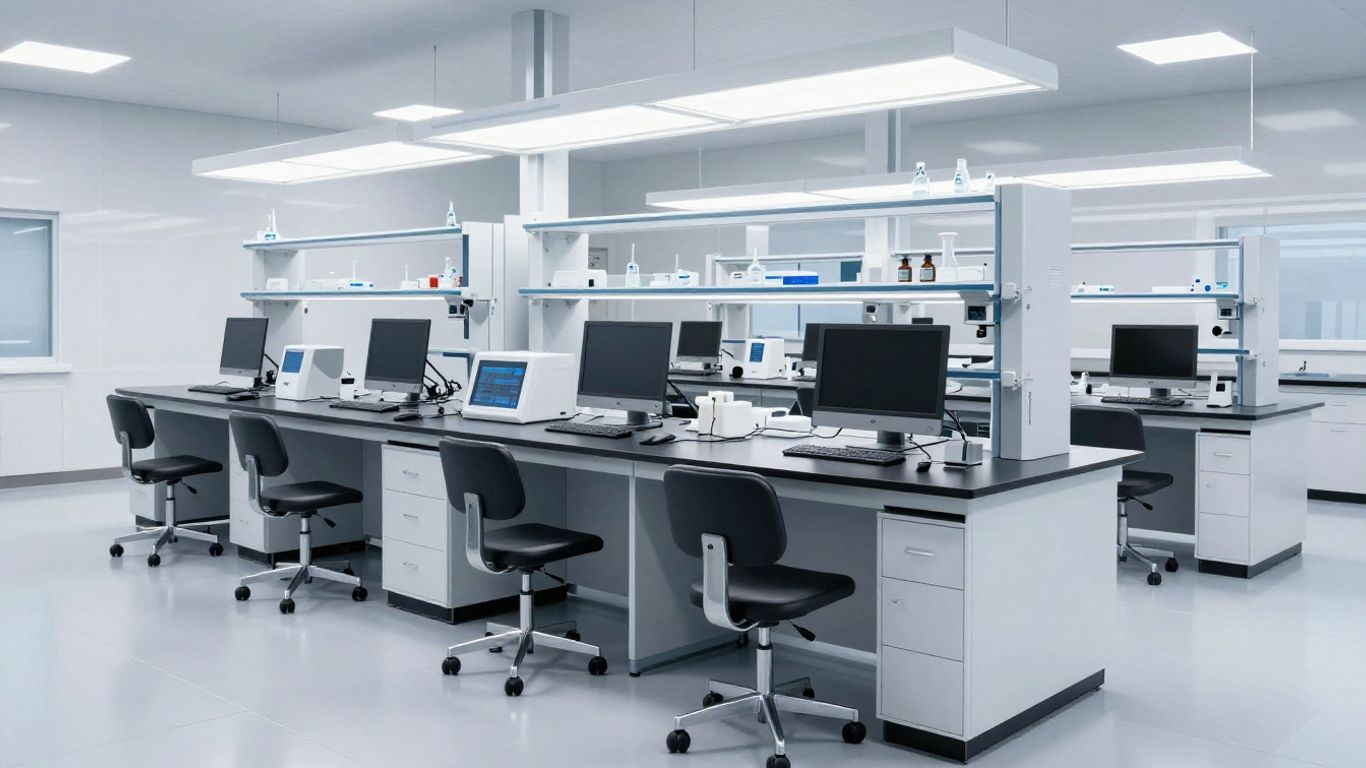
Labs aren’t just about beakers and microscopes anymore, right? Technology is everywhere, and our furniture needs to keep up. We’re talking about making sure your computers, monitors, and all those fancy data ports fit right in, without turning your workspace into a spaghetti monster of wires. Smart furniture design means technology works with you, not against you.
Workstations for Electronic Devices
Think about how much time researchers spend in front of screens these days. The furniture needs to support this. We’re seeing more workstations designed with built-in spaces for monitors, keyboards, and even those bulky desktop towers. Some even have adjustable arms for screens, so you can position them perfectly for long sessions. It’s all about making sure the tech you need is accessible and comfortable to use. This isn’t just about looks; it’s about reducing strain and keeping focus.
Cable Management Solutions
This is a big one. Nobody likes tripping over wires or spending ages untangling them just to plug something in. Good lab furniture has thought about this. We’re talking about channels, conduits, and grommets built right into the benches and cabinets. Some systems even have retractable cords. It keeps things tidy, makes cleaning easier, and honestly, it just makes the whole lab feel more professional and less chaotic. A well-managed setup can really make a difference in daily operations. You can find some really clever cable management systems out there that integrate well with existing setups.
Seamless Technology Integration
Ultimately, the goal is to make technology feel like a natural part of the lab, not an afterthought. This means furniture that can house charging stations, data ports, and even smart sensors. Imagine a workbench that can automatically log experiment data or adjust lighting based on the task. While that might sound a bit futuristic, the trend is definitely moving towards furniture that actively supports digital workflows. It’s about creating a workspace that’s ready for whatever the next scientific breakthrough requires.
The right furniture can make a lab feel less like a collection of separate tools and more like a cohesive, intelligent environment. It’s about creating spaces where researchers can focus on the science, not the struggle with their equipment or workspace.
Here are a few things to look for:
- Integrated Power and Data: Outlets and USB ports built directly into the work surface or side panels.
- Adjustable Monitor Mounts: Allowing for optimal viewing angles and reducing neck strain.
- Dedicated Device Bays: Specific compartments designed to house laptops, tablets, or even small servers.
- Smart Lighting Options: Task lighting that can be adjusted or even automated.
Wrapping Up Your Lab Setup
So, we’ve talked a lot about lab furniture. It’s not just about filling up a room, you know? It’s about making sure your lab works well, keeps people safe, and helps with all the science stuff. Picking the right benches, storage, and even chairs makes a big difference in how smoothly things run. Think about how people will actually use the space and what they need to do their jobs. Getting the furniture right means less hassle, fewer accidents, and more time for actual research. It’s a big part of making a lab a good place to work and discover new things.
Frequently Asked Questions
Why is choosing the right lab furniture so important?
Picking the right lab furniture is super important because it helps keep everyone safe, makes it easier to do your work, and can even make you better at your job. Think of it like having the right tools for a project – good furniture means less stress and fewer mistakes.
What does 'ergonomic' mean when talking about lab furniture?
Ergonomic means furniture is designed to be comfortable and safe for your body. This helps prevent aches and pains, especially if you have to sit or stand for a long time. Things like adjustable chairs and desks that move up and down are examples of ergonomic features.
How can lab furniture help keep my lab organized?
Lab furniture with good storage, like cabinets and shelves, helps you keep all your supplies and equipment tidy. When everything has its place, it’s easier to find what you need quickly and keeps your workspace from getting messy, which is safer too.
What are modular lab furniture systems?
Modular furniture is like building blocks for your lab. You can easily move pieces around, add more, or change how they’re set up. This is great because your lab’s needs might change over time, and you can adapt your furniture without having to buy all new stuff.
Why are fume hoods and safety cabinets essential?
Fume hoods and safety cabinets are like shields for your lab. Fume hoods suck away dangerous fumes so you don’t breathe them in, and safety cabinets safely store chemicals or protect sensitive materials. They are key to preventing accidents and keeping the air clean.
How does lab furniture connect with technology?
Modern lab furniture is designed to handle all the tech we use now. This means having places to put computers and screens, and ways to hide all the messy wires so they don’t get in the way or become a tripping hazard. It makes using technology in the lab much smoother.